Archives
- 2018-07
- 2018-10
- 2018-11
- 2019-04
- 2019-05
- 2019-06
- 2019-07
- 2019-08
- 2019-09
- 2019-10
- 2019-11
- 2019-12
- 2020-01
- 2020-02
- 2020-03
- 2020-04
- 2020-05
- 2020-06
- 2020-07
- 2020-08
- 2020-09
- 2020-10
- 2020-11
- 2020-12
- 2021-01
- 2021-02
- 2021-03
- 2021-04
- 2021-05
- 2021-06
- 2021-07
- 2021-08
- 2021-09
- 2021-10
- 2021-11
- 2021-12
- 2022-01
- 2022-02
- 2022-03
- 2022-04
- 2022-05
- 2022-06
- 2022-07
- 2022-08
- 2022-09
- 2022-10
- 2022-11
- 2022-12
- 2023-01
- 2023-02
- 2023-03
- 2023-04
- 2023-05
- 2023-06
- 2023-07
- 2023-08
- 2023-09
- 2023-10
- 2023-11
- 2023-12
- 2024-01
- 2024-02
- 2024-03
- 2024-04
- 2024-05
- 2024-06
- 2024-07
- 2024-08
- 2024-09
- 2024-10
- 2024-11
- 2024-12
- 2025-01
- 2025-02
- 2025-03
-
br Materials and methods br Results
2025-03-03
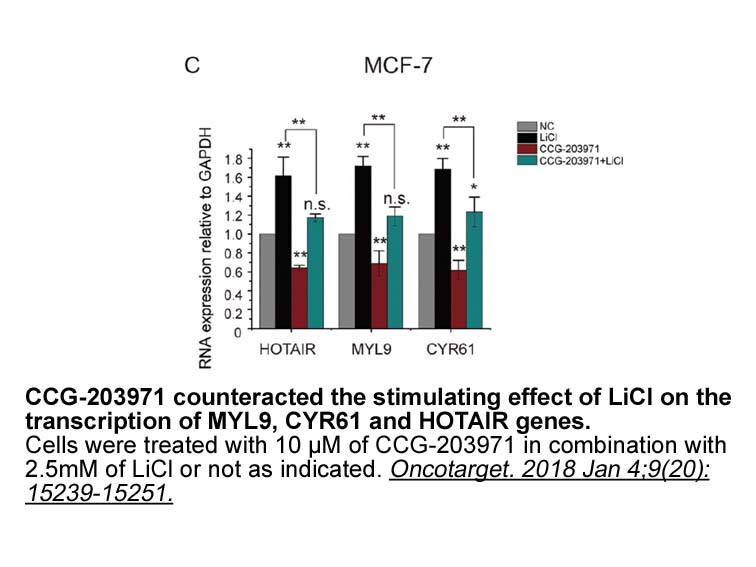
Materials and methods Results Discussion Several major signaling and developmental pathways (e.g. EGFR, ALK, KRAS, TGFβ, Notch and Wnt/β-catenin) have been shown to be involved in lung carcinogenesis and they are being exploited as targets of the non-small cell lung cancer therapy (for revi
-
br Materials and methods br Results
2025-03-03
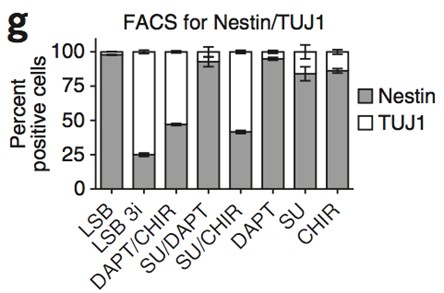
Materials and methods Results Discussion Several major signaling and developmental pathways (e.g. EGFR, ALK, KRAS, TGFβ, Notch and Wnt/β-catenin) have been shown to be involved in lung carcinogenesis and they are being exploited as targets of the non-small cell lung cancer therapy (for revi
-
br Conclusions and clinical relevance Astrogliosis and an in
2025-03-03
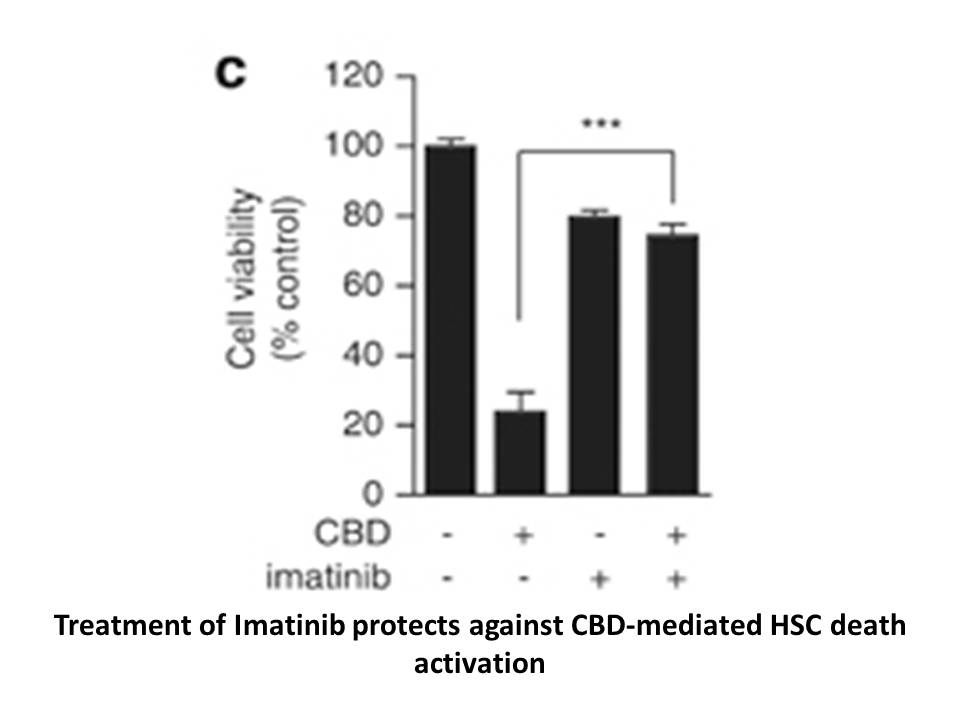
Conclusions and clinical relevance Astrogliosis and an increase in ADK is a pathologcial hallmark of epilepsy. The consequence of increased ADK in the epileptic ursolic acid australia is a decrease in the ambient adenosine tone and A1R activity. As a result, systemic administration of A1R agonis
-
The AChR is composed of
2025-03-03
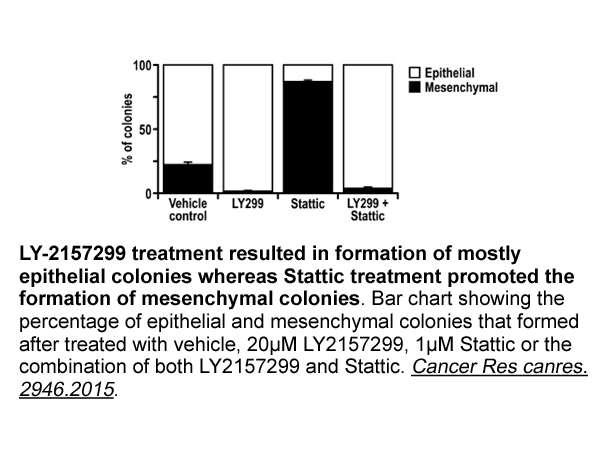
The AChR is composed of five homologous, membrane-spanning subunits. AChRs containing two α, one β, one δ and one γ subunit (AChRγ) predominate during embryonic development and mice lacking AChRγ die at birth (Takahashi et al., 2002). After birth, the AChRγs are replaced during the first 2 postnatal
-
The first result of this paper
2025-03-03
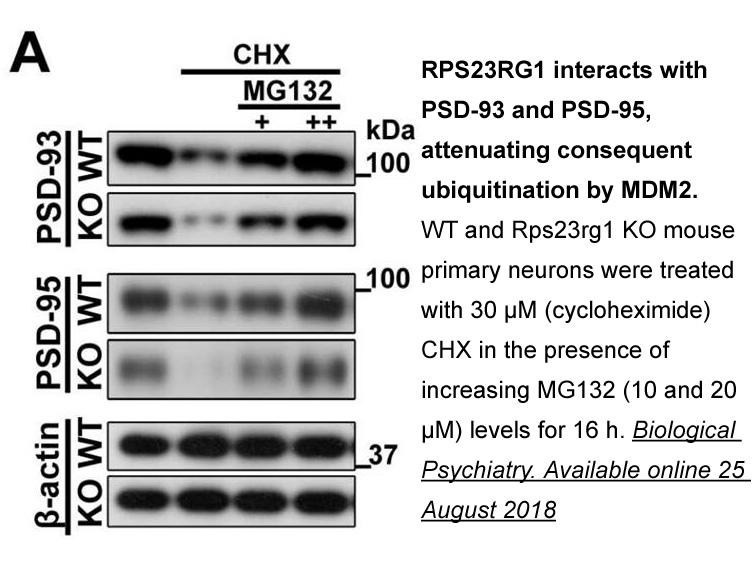
The first result of this paper is parallel to the positivity result given in [16]: Here the definition of approximate ACHE metric is the same as in [18]. See Definition 1 for details. The second result of this paper is parallel to the N-Benzylacetamidine hydrobromide extension formulae given in [
-
br Materials and methods br
2025-03-03
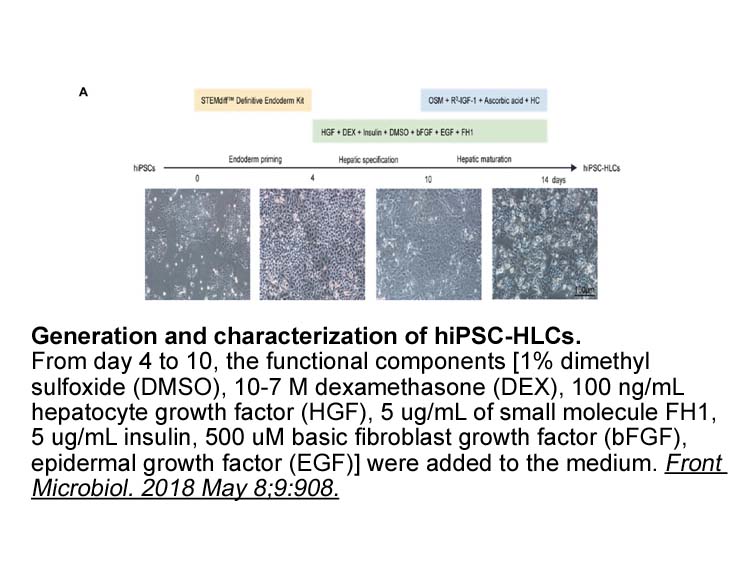
Materials and methods Results Discussion The data presented here demonstrate the important role of B lymphocyte-expressed α7 nAChRs in regulating the antibody immune response. It is shown that, in addition to ACh produced by activated T lymphocytes (Fujii et al., 2012), activated B lymphocy
-
A combination of factors might however
2025-03-03
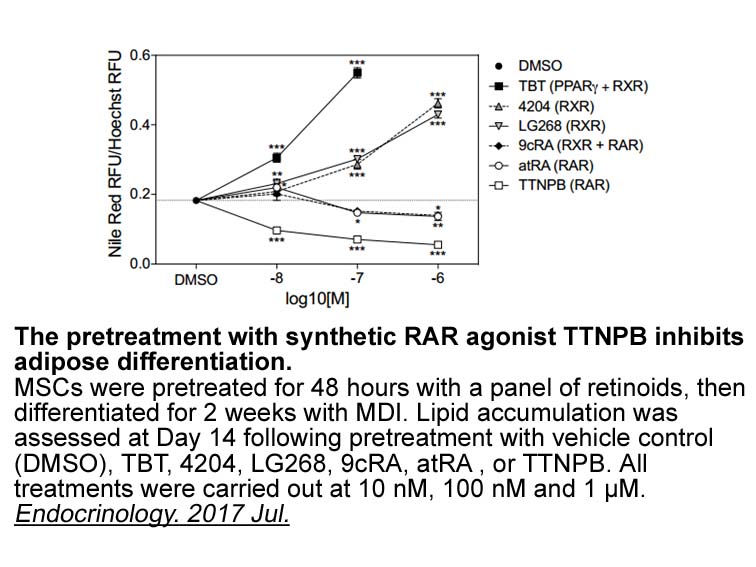
A combination of factors might, however, account for the low rate of success of drug development for neuropsychiatric disorders. First, in most neuropsychiatric disorders, the symptomatology is heterogeneous and the neurobiology remains poorly understood, making therapeutic targets difficult to iden
-
br Free entry equilibrium At stage
2025-03-03
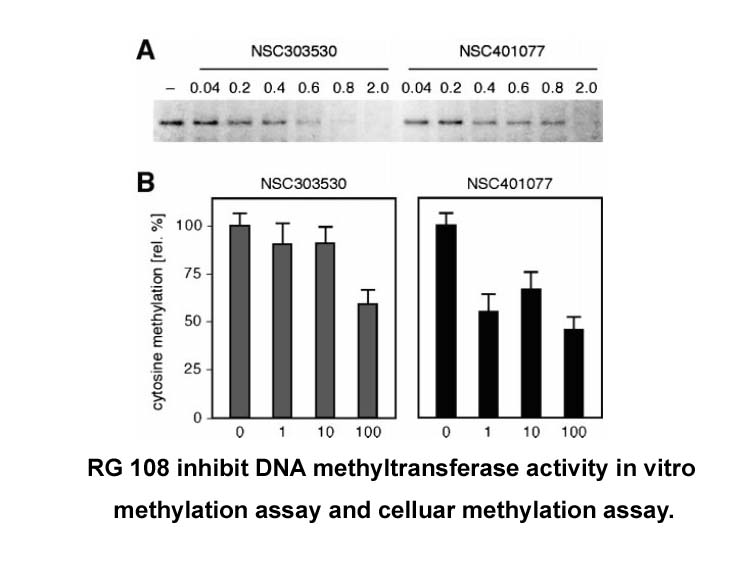
Free entry equilibrium At stage 2 of the game, n ≥ 2 firms simultaneously decide whether or not to enter the industry. Market entry involves a sunk fixed cost f > 0, which we assume cannot be subtracted from the tax base. Our assumption reflects that deductions of market entry costs are often inc
-
We found that several anticancer drugs inhibit HT receptor
2025-03-03
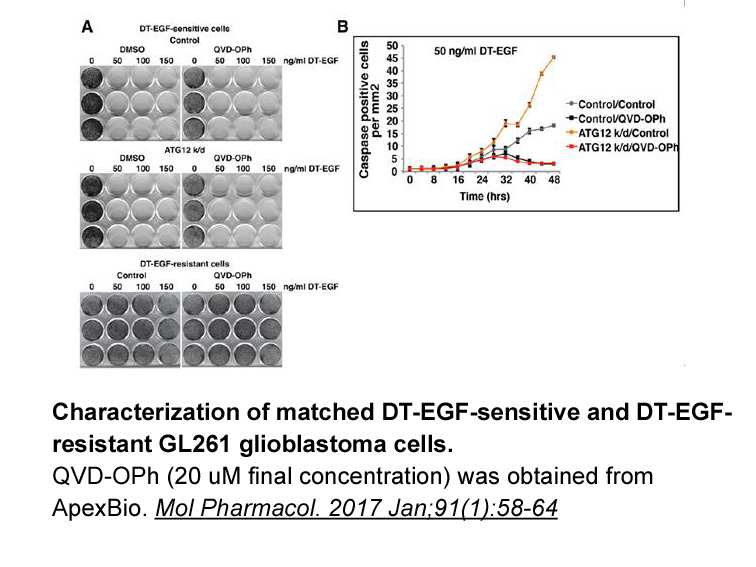
We found that several anticancer drugs inhibit 5-HT3 zingerone current in vitro. Several studies have suggested that 5-HT3 receptor antagonists have anti-mitogenic and apoptotic effects on colorectal and breast cancer cell lines (Ataee et al., 2010, Hejazi et al., 2015). Irinotecan is used frequent
-
In conclusion AXL overexpression preexisted in a subgroup of
2025-03-03
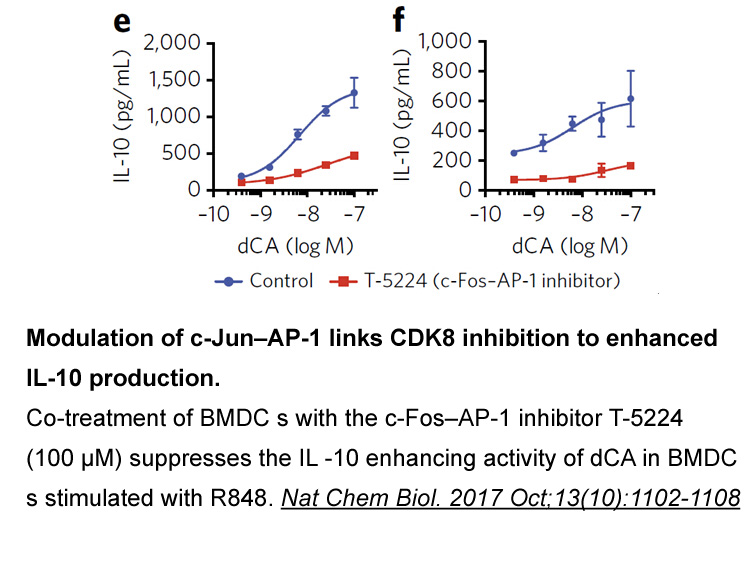
In conclusion, AXL overexpression preexisted in a subgroup of treatment-naive lung adenocarcinoma specimens harboring an activating EGFR mutation or in those with wild-type EGFR. Anti-AXL therapeutics delivered up front in combination with the EGFR inhibitor might overcome intrinsic or acquired resi
-
This project was funded by the University of
2025-03-01
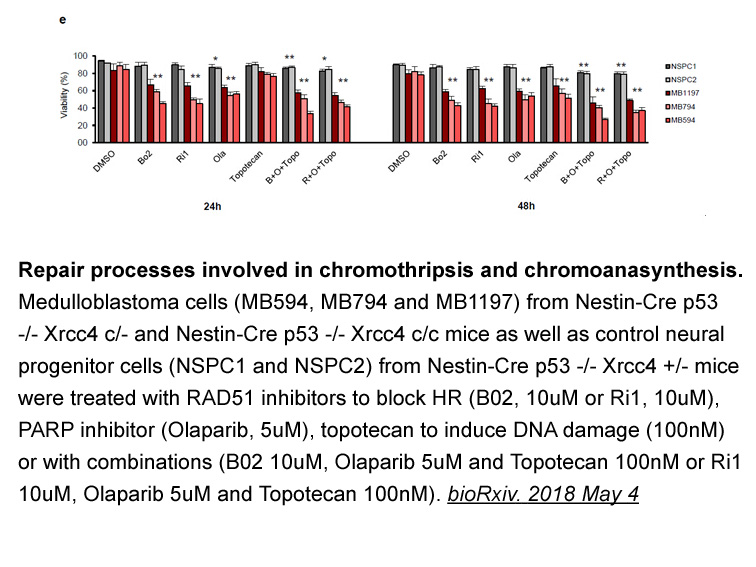
This project was funded by the University of the Philippines Diliman through the Natural Sciences Research Institute with grant No. CHE-09-2-02. Introduction There is compelling evidence for an anti-inflammatory effect of 12- and 15-lipoxygenases through the generation of lipid mediators involve
-
Introduction Lipoxygenases LOXs are key enzymes that catalyz
2025-03-01
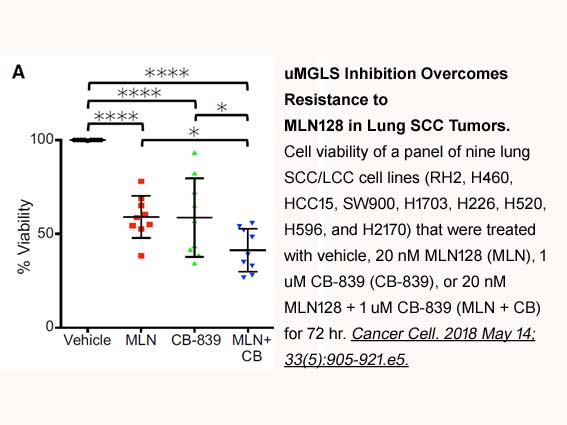
Introduction Lipoxygenases (LOXs) are key enzymes that catalyze the polyunsaturated fatty acids (PUFAs) such as arachidic IY-5511 (AA), linoleic acid (LA) and others unsaturated fatty acids (Brash, 1999). LOXs are expressed in immune, neural, epithelial, tumor cells and other cells (Claesson, 2009
-
hbv Previous investigations have established that aromatase
2025-03-01
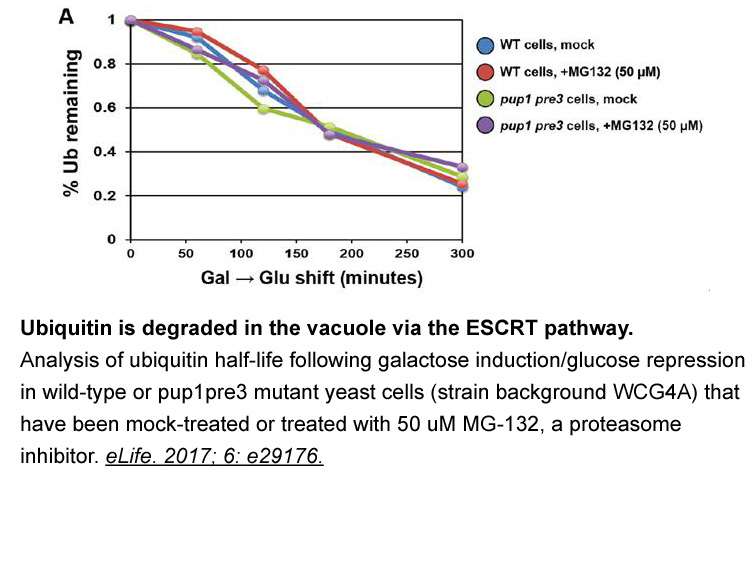
Previous investigations have established that aromatase activity is regulated via two different pathways in a tissue-specific manner. The first is a slower transcription regulatory pathway that involves an alteration in gene transcription and represents what is classically thought of as the way by w
-
Autophagy is a self protecting cellular catabolic pathway th
2025-03-01
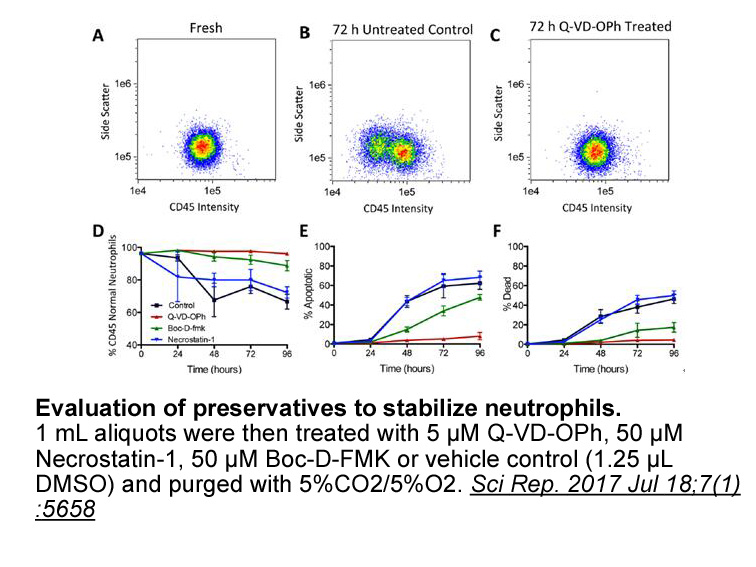
Autophagy is a self-protecting cellular catabolic pathway that degrades and recycles cytoplasmic contents for the maintenance of cellular homeostasis (Shao et al., 2016b). Macrophage autophagy plays an essential role in atherosclerosis by safeguarding α-Conotoxin PIA against oxidative stress, reduc
-
br Materials and method br Results and discussion
2025-03-01
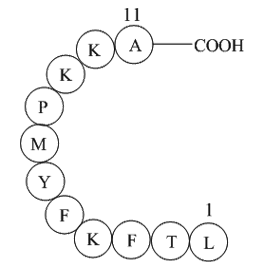
Materials and method Results and discussion Conclusion The adsorption behaviors of 5 antibiotics on 5 types of microplastic particles were investigated using batch type experiments. Our results showed that adsorption capacities varied among antibiotics, plastic types, and environmental cond