Archives
- 2026-09
- 2026-08
- 2026-07
- 2026-06
- 2026-05
- 2026-04
- 2026-03
- 2026-02
- 2026-01
- 2025-12
- 2025-11
- 2025-10
- 2025-09
- 2025-03
- 2025-02
- 2025-01
- 2024-12
- 2024-11
- 2024-10
- 2024-09
- 2024-08
- 2024-07
- 2024-06
- 2024-05
- 2024-04
- 2024-03
- 2024-02
- 2024-01
- 2023-12
- 2023-11
- 2023-10
- 2023-09
- 2023-08
- 2023-07
- 2023-06
- 2023-05
- 2023-04
- 2023-03
- 2023-02
- 2023-01
- 2022-12
- 2022-11
- 2022-10
- 2022-09
- 2022-08
- 2022-07
- 2022-06
- 2022-05
- 2022-04
- 2022-03
- 2022-02
- 2022-01
-
The first identified auxiliary subunit stargazin is essentia
2023-11-14
The first identified auxiliary subunit, stargazin, is essential for AMPAR function in cerebellar granule neurons (Hashimoto et al., 1999). Subsequently, a family of six transmembrane AMPAR regulatory proteins (TARPs) were defined that modify channel trafficking, gating, and pharmacology (Kato and Br
-
Mass spectrometry MS analysis and selective enrichment
2023-11-14
Mass spectrometry (MS) analysis and selective enrichment methods of phosphorylated proteins are powerful tools that can help address these challenges. Recent advances in MS have made it possible to analyze signaling pathways by facilitating high-throughput identification of phosphorylation sites wit
-
br Acknowledgments This work was supported by the R
2023-11-13
Acknowledgments This work was supported by the R&D Program of the Institutional Research Program of KRICT (SI1701-02), and by the Next generation carbon upcycling project of Ministry of Science and ICT. JSC is kindly grateful to the National Research Council of Science and Technology (NST) for fi
-
LY2801653 Casein accounts for of the
2023-11-13
Casein accounts for 80% of the total protein in bovine milk (Capriotti, Cavaliere, Piovesana, Samperi, & Laganà, 2016); hydrolysates or bioactive peptides derived from casein have been employed widely in food as a functional ingredient (Capriotti et al., 2016, Field et al., 2008). Many studies have
-
Whole body loss of ACLY is
2023-11-13
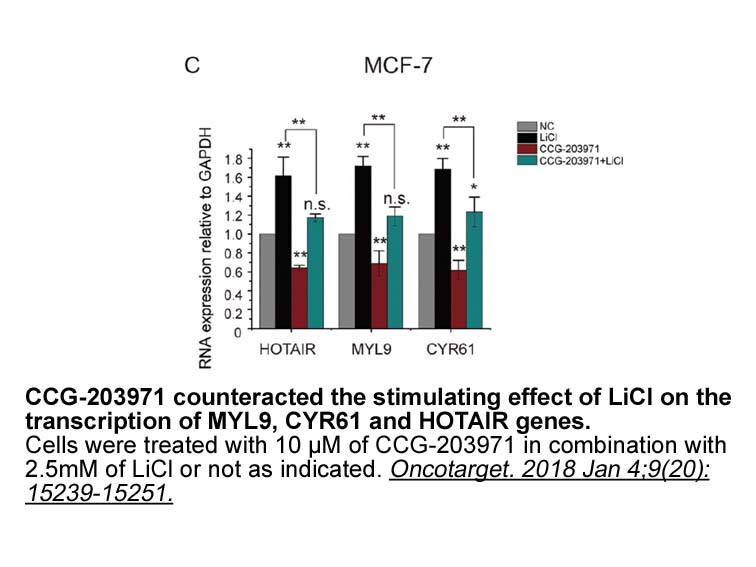
Whole-body loss of ACLY is early embryonic lethal, indicating that it serves non-redundant roles during development (Beigneux et al., 2004). Silencing or inhibition of ACLY suppresses the proliferation of many cancer cell lines and impairs tumor growth (Bauer et al., 2005, Hanai et al., 2012, Hatziv
-
The class C receptors also share a common agonist binding
2023-11-13
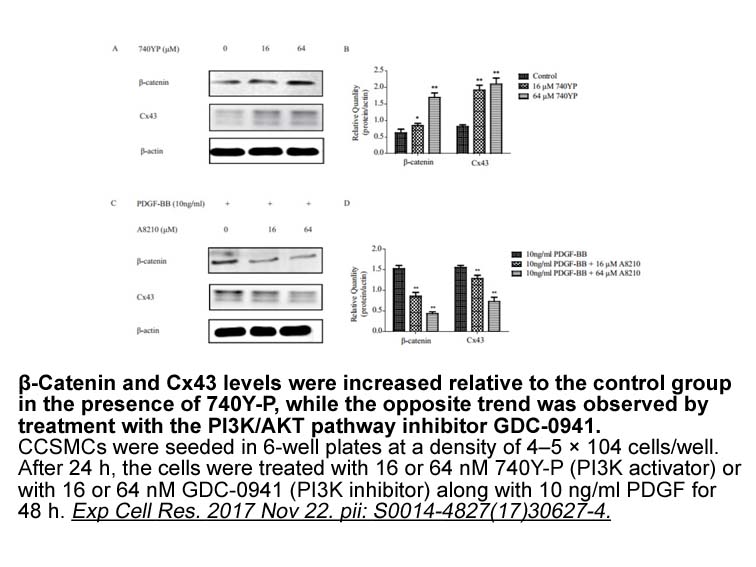
The class C receptors also share a common agonist-binding mode. In all cases, an agonist induces VFT closure by forming intermolecular bonds with surface residues in both the LB1 and LB2 domains (Geng et al., 2013, Geng et al., 2016, Kunishima et al., 2000, Muto et al., 2007, Nuemket et al., 2017, T
-
Angiogenesis is a process of formation
2023-11-13
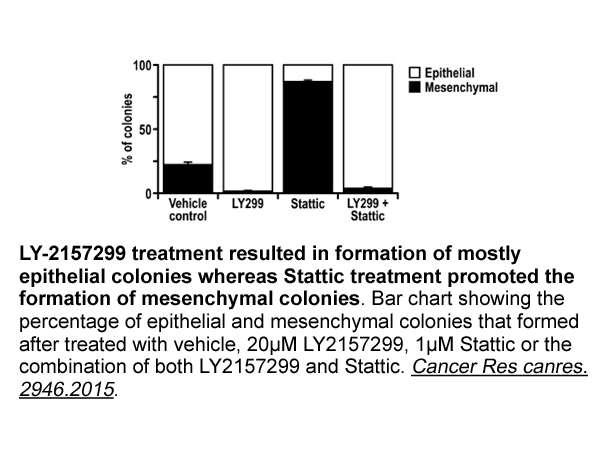
Angiogenesis is a process of formation of new vessels from arterial vascularization created by endothelial cells. It is essential for the continuous growth of the tumor because it supplies the tumor with nutrients and oxygen, and eliminates cellular waste, which can be toxic to cancer cells [8]. Inf
-
Prostate cell growth and prostate carcinogenesis are
2023-11-13
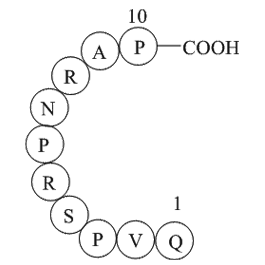
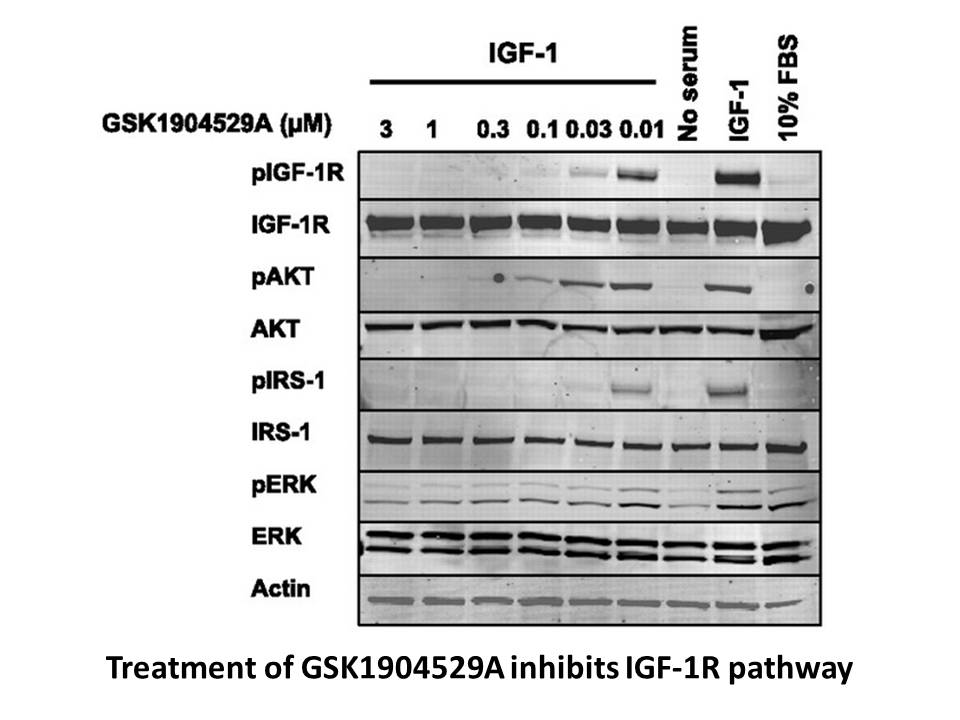
Prostate cell growth and prostate carcinogenesis are not only mediated by androgens, they are also dependent on functional insulin receptor (IR) and insulin-like growth factor-1 (IGF-1) receptor (IGF1R) signaling. Previous studies addressed this issue and reported a correlation between high insulin
-
We also found that the size of
2023-11-13
We also found that the size of mEPSC amplitude was reduced in unc-43 mutants, consistent with the decrease in synaptic GLR-1/GLR-2 heteromeric receptors. The decrease in mEPSC amplitude was not as great as that observed when measuring current in response to pressure application of glutamate. These d
-
br Functional repercussions of each trimming pathway
2023-11-13

Functional repercussions of each trimming pathway A main difference between the two pathways presented in Fig. 1 lies in enzyme kinetics and selectivity. In pathway #1, the substrate for ERAP1 is free peptide, and so both kinetics and selectivity are determined by interactions between the peptide
-
Recently two distinct small molecule inhibitors of PHGDH wer
2023-11-13
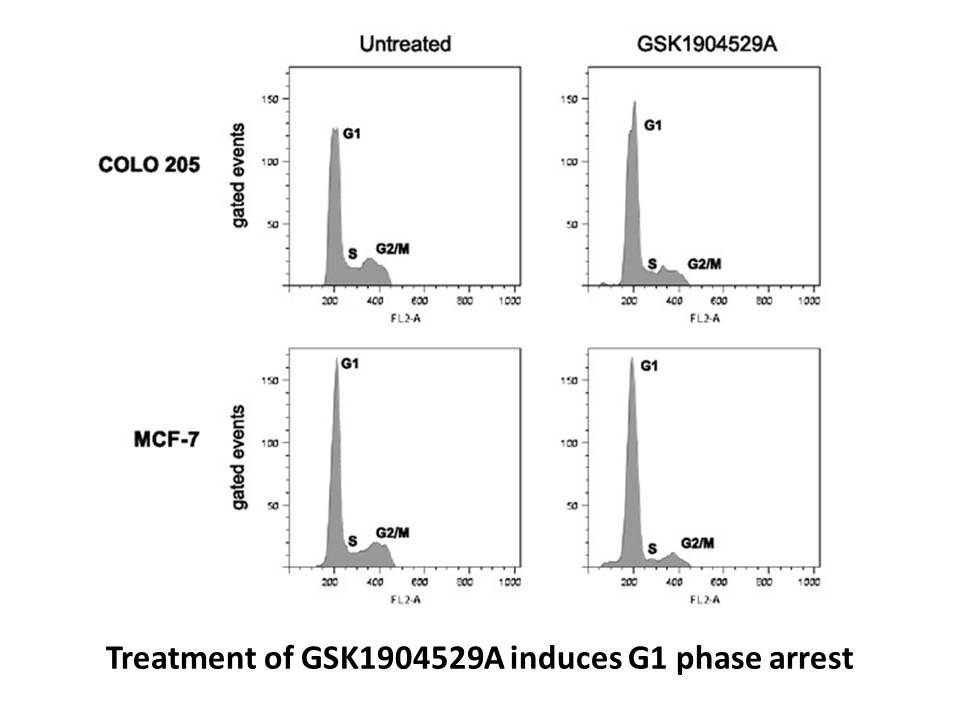
Recently, two distinct small-molecule inhibitors of PHGDH were identified using high-throughput screens, both of which inhibit de novo serine biosynthesis and show selective toxicity to cancer Dexlansoprazole receptor with high SSP flux [50,51]. The inhibitor NCT-503, which has an IC50 of 2.5μM, re
-
br Special report Financial and personal benefits of early d
2023-11-13
Special report – Financial and personal benefits of early diagnosis Acknowledgments The Alzheimer’s Association acknowledges the contributions of Joseph Gaugler, Ph.D., Bryan James, Ph.D., Tricia Johnson, Ph.D., Allison Marin, Ph.D., and Jennifer Weuve, M.P.H., Sc.D., in the preparation of 201
-
br Disclosure br Acknowledgments br
2023-11-13
Disclosure Acknowledgments Introduction Anaplastic lymphoma kinase (ALK), a receptor tyrosine kinase, belongs to the insulin receptor kinase subfamily [1]. Oncogenic activation of ALK is associated with the Potassium Canrenoate and progression of multiple human cancer types [2,3], includin
-
Firms are subject to corporate taxation and face
2023-11-10
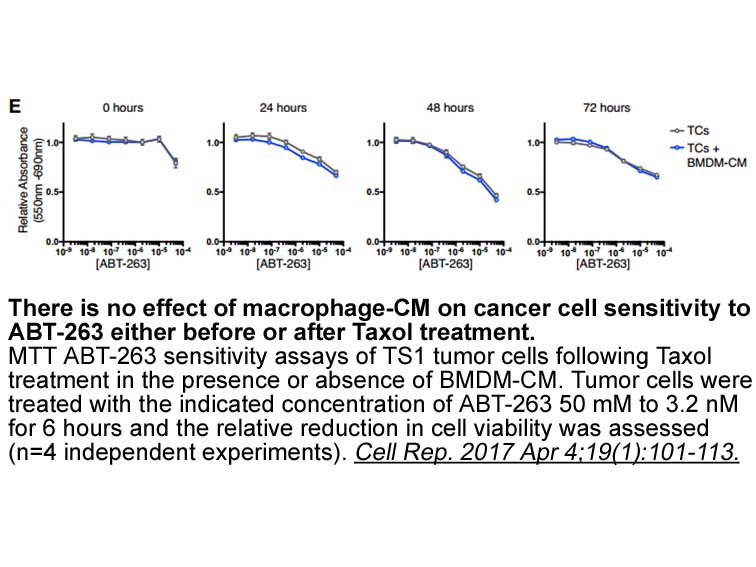
Firms are subject to corporate taxation, and face either an ACE or a CBIT tax scheme. The two tax regimes achieve financing neutrality by treating debt and equity equally, but differ according to whether deduction of capital costs from the corporate tax Pimozide sale is allowed or not. While ACE al
-
br Autophagy at the Synapse The synapse
2023-11-10
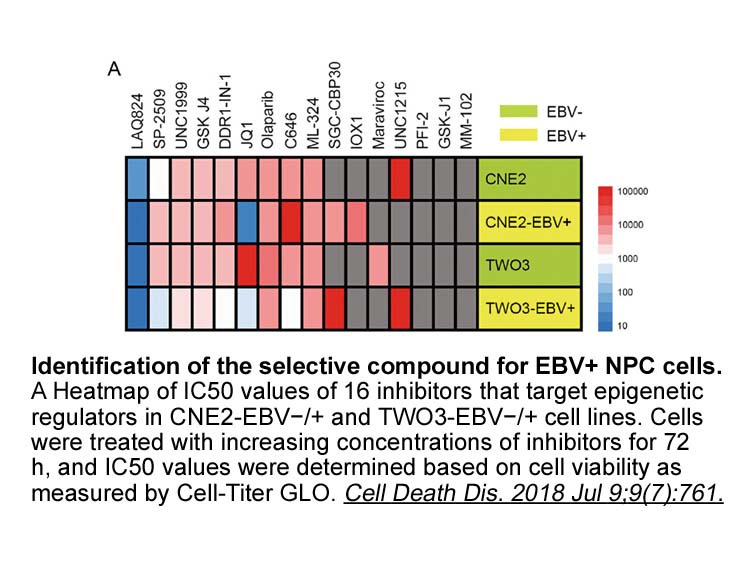
Autophagy at the Synapse The synapse is a highly specialized neuronal compartment that forms the basic unit of communication between neurons. Communication relies on electrical signals that are propagated down the axon of the presynaptic neuron, where they trigger the quantal release of neurotran
7962 records 273/531 page Previous Next First page 上5页 271272273274275 下5页 Last page