Archives
- 2026-09
- 2026-08
- 2026-07
- 2026-06
- 2026-05
- 2026-04
- 2026-03
- 2026-02
- 2026-01
- 2025-12
- 2025-11
- 2025-10
- 2025-09
- 2025-03
- 2025-02
- 2025-01
- 2024-12
- 2024-11
- 2024-10
- 2024-09
- 2024-08
- 2024-07
- 2024-06
- 2024-05
- 2024-04
- 2024-03
- 2024-02
- 2024-01
- 2023-12
- 2023-11
- 2023-10
- 2023-09
- 2023-08
- 2023-07
- 2023-06
- 2023-05
- 2023-04
- 2023-03
- 2023-02
- 2023-01
- 2022-12
- 2022-11
- 2022-10
- 2022-09
- 2022-08
- 2022-07
- 2022-06
- 2022-05
- 2022-04
- 2022-03
- 2022-02
- 2022-01
-
The site of paracetamol action remains controversial Some pu
2022-02-05
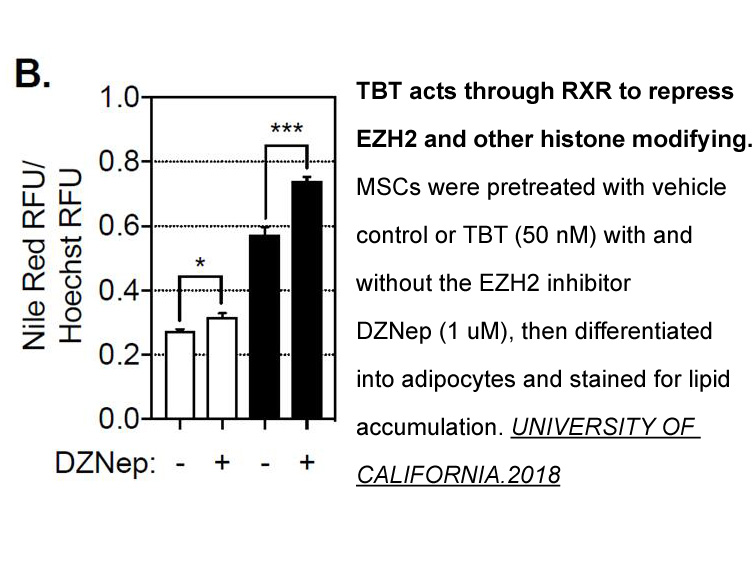
The site of paracetamol action remains controversial. Some publications are in favor of a central action (Barrière et al., 2013, Dogrul et al., 2012, Mallet et al., 2010, Pickering et al., 2006), while others report a peripheral action (Dani et al., 2007, Ferreira et al., 1978). FAAH is a ubiquitous
-
Furthermore we also found that both
2022-02-05
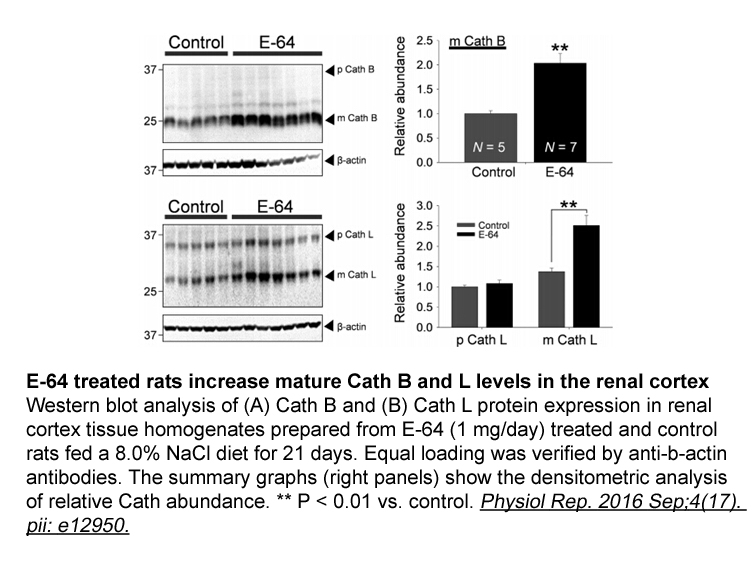
Furthermore, we also found that both activation of oncogenes and inactivation of tumor suppressor genes occurred in HBV oval cells, which showed opposite pattern in HBV hepatocytes. These genes might take part in neoplastic transformation of oval cells induced by HBV regarding the multipotent role o
-
In the brain hydrolysis of AG by MGL
2022-02-04

In the brain, hydrolysis of 2-AG by MGL is the primary source of AA for conversion to PGs by cyclooxygenase (Nomura et al., 2011). PGE2 production is required for IL-1β-evoked synapse loss (Mishra et al., 2012). Here, we tested whether decreased PG levels contributed to the synapse protective effect
-
Estrus expression after removal of
2022-02-04
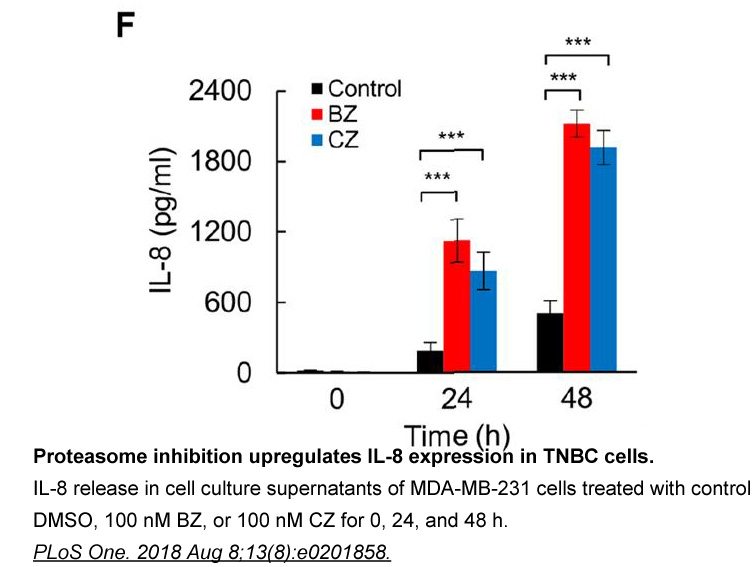
Estrus AMD3100 8HCl australia after removal of P4 insert and before TAI is a clear predictor of greater P/AI in protocols that use GnRH [6,8], EB, or ECP [10,18] as ovulation inducers. Therefore, our third hypothesis was that heifers showing estrus behavior would have greater P/AI, which was suppor
-
In this report we characterized MRJP containing aggregates a
2022-02-04
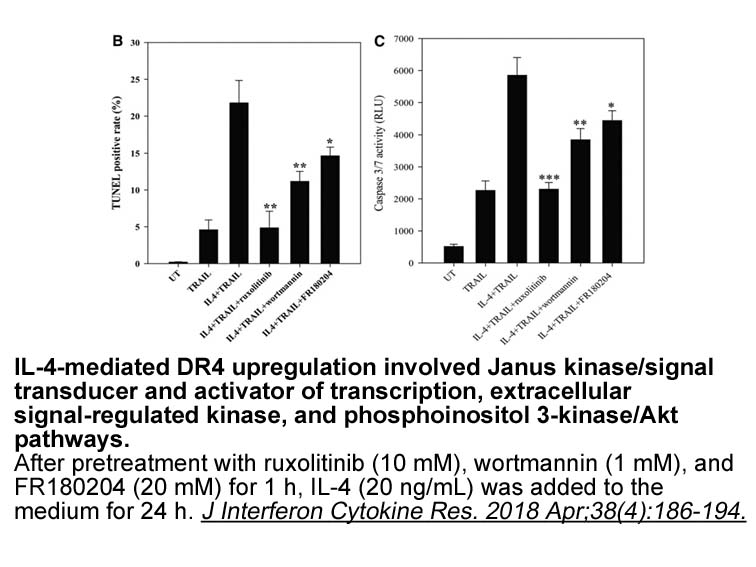
In this report, we characterized MRJP-containing RO4956371 and other (glyco)proteins from honey. Honey glycoproteins demonstrated potent anti-C. elegans activity. It has been reported that molecules that kill C. elegans are likely to be toxic to parasitic nematodes (Burns et al., 2015). To examine
-
The lactam compounds including ceftriaxone CEF
2022-02-04
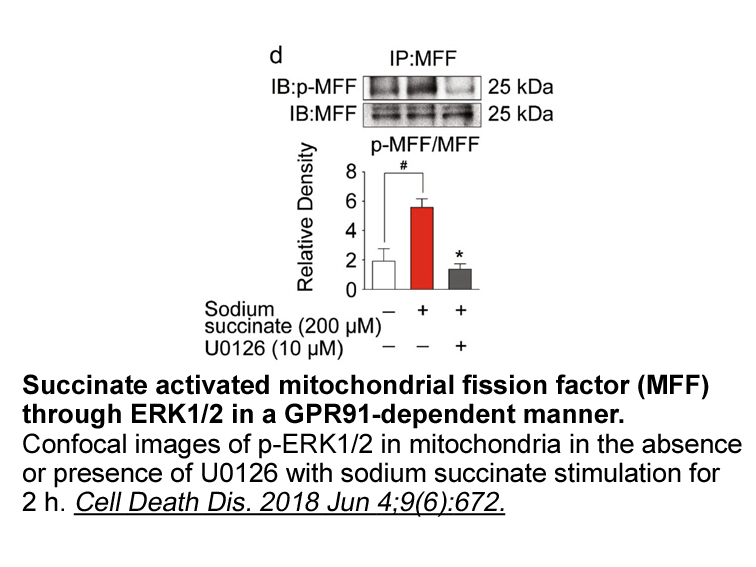
The β-lactam compounds, including ceftriaxone (CEF), have shown to attenuate drug-seeking in several drugs of abuse including methamphetamine [31], cocaine [32,33], nicotine [34] and morphine [35]. Moreover, in our laboratory, we have shown that CEF can reduce chronic alcohol drinking via upregulati
-
br Conclusion In conclusion we discovered
2022-02-03
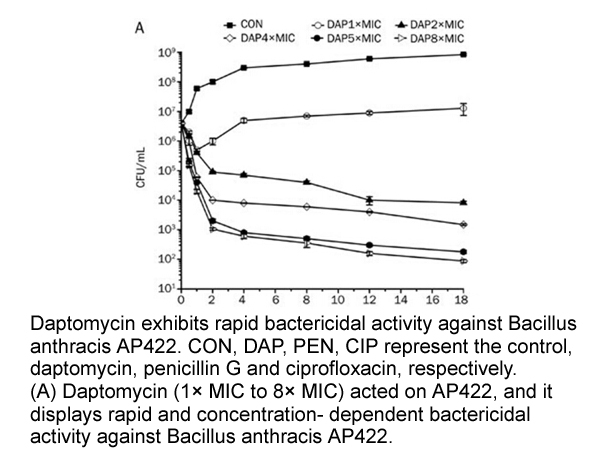
Conclusion In conclusion, we discovered a pair of novel epimers CBC and CBD from plant C. bungei. These two natural compounds inhibit Hh pathway by blocking signaling at the level of Gli. They are effective in suppressing Hh pathway-dependent medulloblastoma growth in vitro and in vivo. Furthermo
-
So in this study our results
2022-02-03
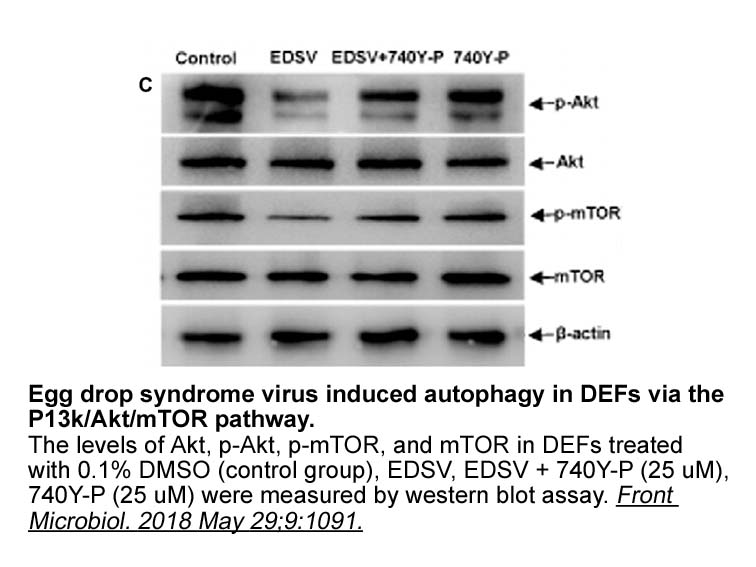
So in this FG2216 study, our results firstly demonstrated that i.c.v. injection of ghrelin(1–7)-NH2 played a significant role in the modulation of the acute heat pain at the supraspinal level in mice. Our results showed that i.c.v. injection of ghrelin(1–7)-NH2 produced dose- and time- dependent an
-
We identified three genes KEAP NAA and ABCC
2022-02-03
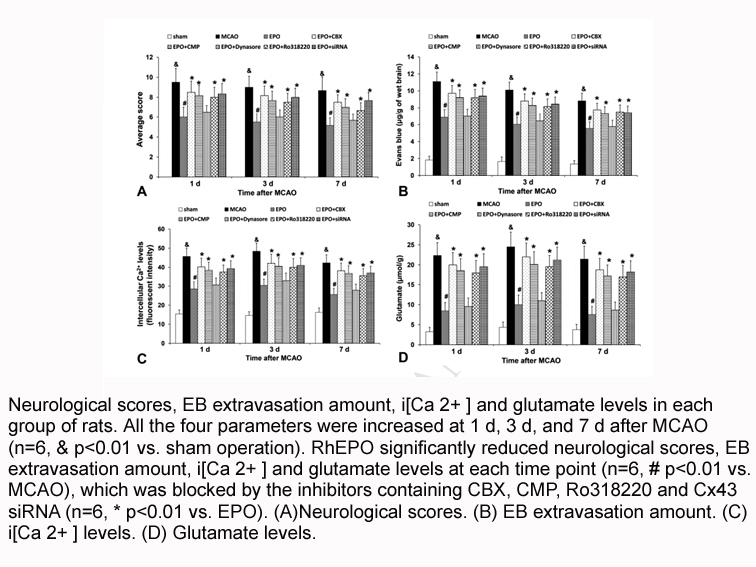
We identified three genes—KEAP1, NAA38, and ABCC1/MRP1—as negative regulators of glutathione abundance in human cells. Like KEAP1, NAA38 appears to regulate NRF2 stability, as NAA38 deletion increased NRF2 protein levels and the expression of NRF2 target genes. NAA38 is a component of the NatC N-ter
-
In addition to removing proteins and
2022-02-03
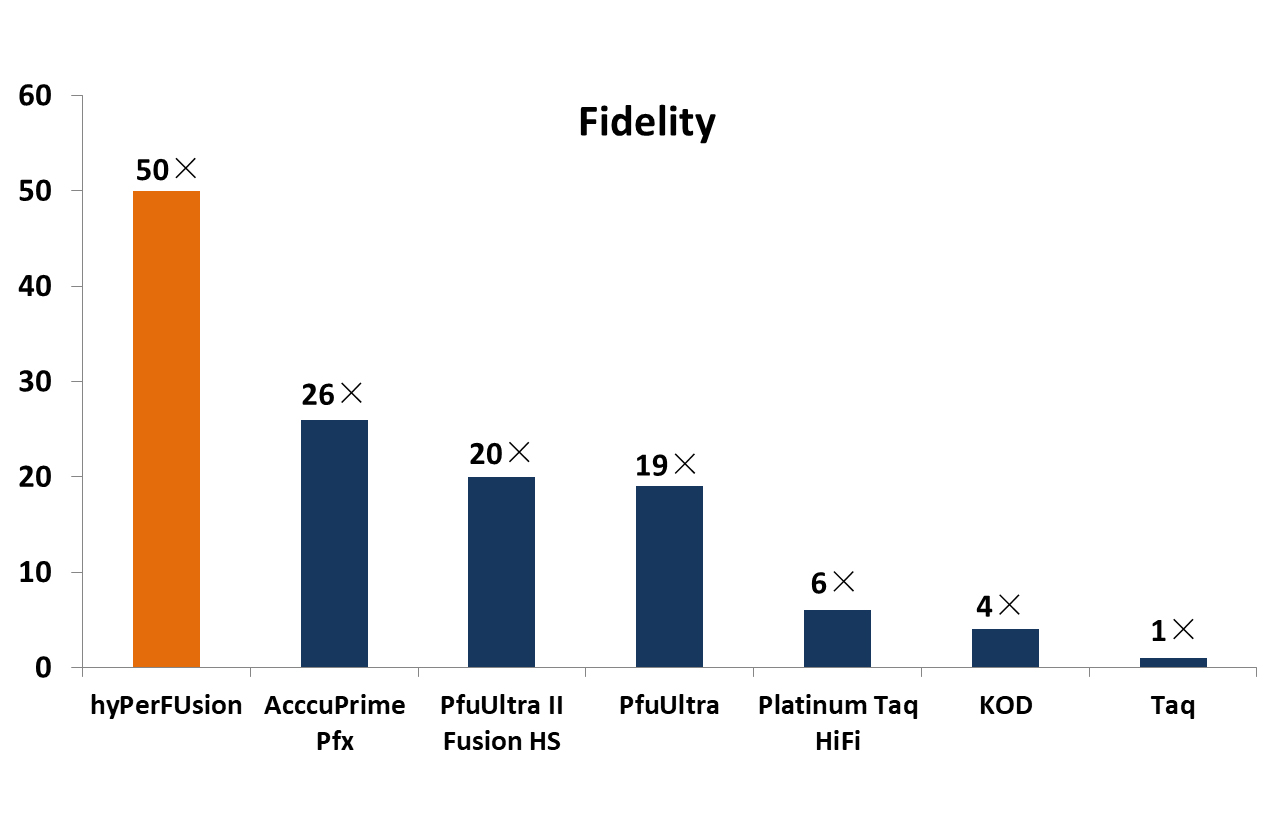
In addition to removing proteins and organelles related to iron and lipid metabolism, an alternative mechanism by which autophagy promotes ferroptosis is through the formation of the BECN1-solute carrier family 7 member 11 (SLC7A11) complex [42,43]. SLC7A11 is the main component of the antiporter sy
-
Among the various epigenetic mechanisms involved in
2022-02-03
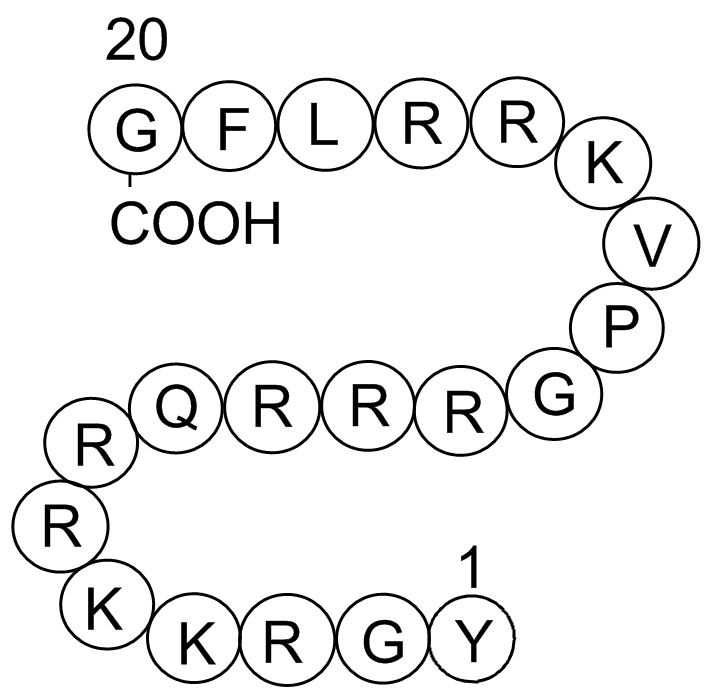
Among the various epigenetic mechanisms involved in EwS pathogenesis, we focused on the PRC enzyme EZH2, since it is a direct target of EWSR1-FLI1 and a critical mediator of malignant cell growth.24, 30 Our observation that the inhibition of EZH2 in GD2neg EwS LY 2389575 hydrochloride induces GD2 e
-
In conclusion the present study shows that
2022-02-03
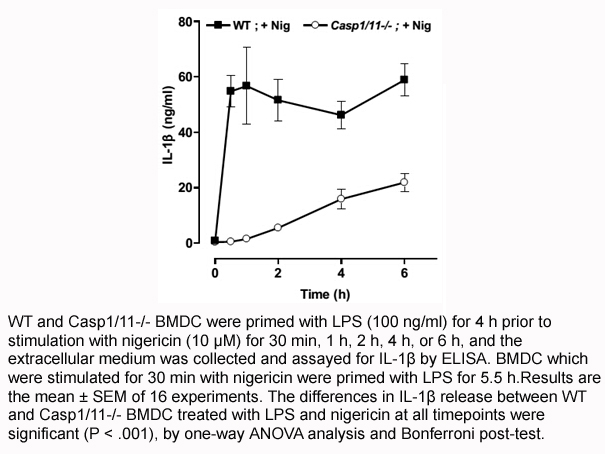
In conclusion, the present study shows that the endothelin system is of importance in the cardiopulmonary vascular pathophysiology of porcine endotoxin shock. In this model, combination of a selective endothelin ETA and a selective endothelin ETB receptor antagonist markedly improved pulmonary circu
-
Leupeptin br HO regulation and physiology The catabolism
2022-02-01
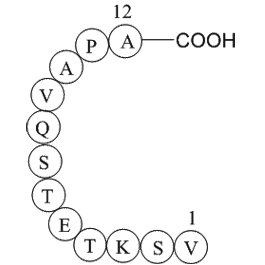
HO-1: regulation and physiology The catabolism of cellular heme in humans and other species is mediated by the heme oxygenase (HO) family of enzymes (E.C. 1:14:99:3; heme-hydrogen donor:oxygen oxidoreductase). The HOs localize primarily to the endoplasmic reticulum (ER) where they serve, in conce
-
br Gastrointestinal peptides and intestinal health Gastroint
2022-02-01
Gastrointestinal peptides and intestinal health Gastrointestinal peptides are intimately involved in the regulation of feeding behaviors, energy metabolism and bodyweight 36, 37, 38, 39, 40, 41. GPR120 has been demonstrated to induce secretion of two such peptides: GLP-1 and cholecystokinin (CCK)
-
AZD6482 sale br Material and methods br Results br Discussio
2022-02-01
Material and methods Results Discussion The inhibitory action of a GABA agonist, muscimol, on the level of mRNA encoding GnRH in the POA-hypothalamus [25] of follicular-phase sheep has suggested that at the hypothalamic level GABA may exert a suppressive effect on subsequent steps of the Gn
7959 records 510/531 page Previous Next First page 上5页 506507508509510 下5页 Last page