Archives
- 2026-08
- 2026-07
- 2026-06
- 2026-05
- 2026-04
- 2026-03
- 2026-02
- 2026-01
- 2025-12
- 2025-11
- 2025-10
- 2025-09
- 2025-03
- 2025-02
- 2025-01
- 2024-12
- 2024-11
- 2024-10
- 2024-09
- 2024-08
- 2024-07
- 2024-06
- 2024-05
- 2024-04
- 2024-03
- 2024-02
- 2024-01
- 2023-12
- 2023-11
- 2023-10
- 2023-09
- 2023-08
- 2023-07
- 2023-06
- 2023-05
- 2023-04
- 2023-03
- 2023-02
- 2023-01
- 2022-12
- 2022-11
- 2022-10
- 2022-09
- 2022-08
- 2022-07
- 2022-06
- 2022-05
- 2022-04
- 2022-03
- 2022-02
- 2022-01
- 2021-12
- 2021-11
- 2021-10
- 2021-09
- 2021-08
- 2021-07
- 2021-06
- 2021-05
- 2021-04
- 2021-03
- 2021-02
- 2021-01
- 2020-12
- 2020-11
- 2020-10
- 2020-09
- 2020-08
- 2020-07
- 2020-06
- 2020-05
- 2020-04
- 2020-03
- 2020-02
- 2020-01
- 2019-12
- 2019-11
- 2019-10
- 2019-09
- 2019-08
- 2019-07
- 2019-06
- 2019-05
- 2019-04
- 2018-11
- 2018-10
- 2018-07
-
br Funding M I is supported by European Research
2021-12-16
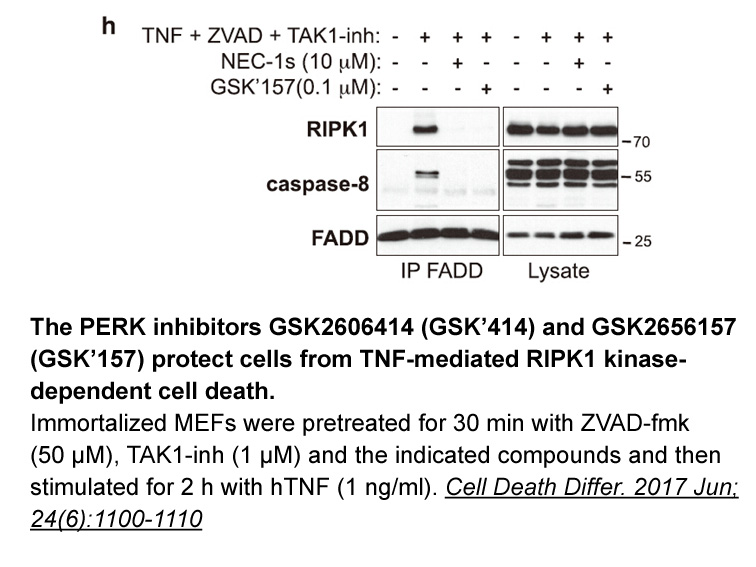
Funding M.I. is supported by European Research Council (ERC) Consolidator Grant 725038, Italian Association for Cancer Research (AIRC) Grant 19891, Italian Ministry of Health (MoH) Grant GR-2011-02347925, Lombardy Foundation for Biomedical Research (FRRB) Grant 2015-0010, the European Molecular B
-
Always some extra effort may make great
2021-12-16
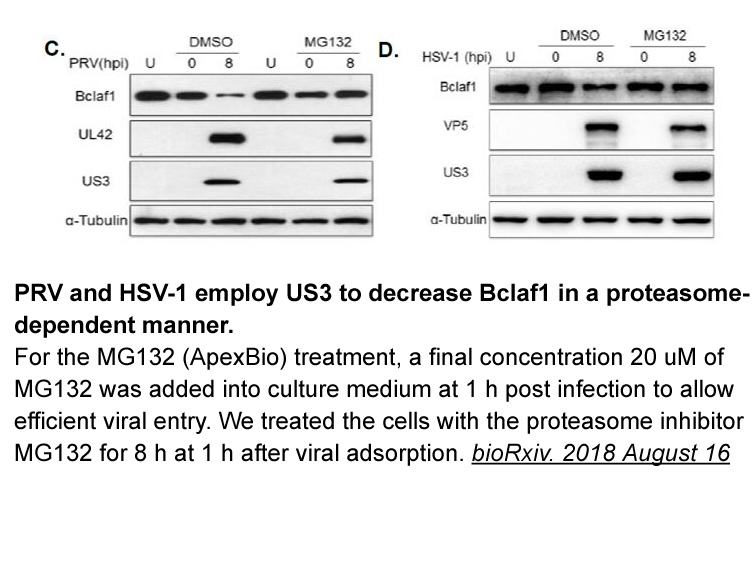
Always, some extra effort may make great progress in sensing platform, for example, Ma's group discovered luminescent iridium (Ⅲ) complexes which were highly selective for G-quadruplex DNA and Al3+, then they utilized these complexes to develop a series of G-quadruplex-based probes and chemosensor r
-
Because AM had limited efficacy on rodent GPR we
2021-12-16
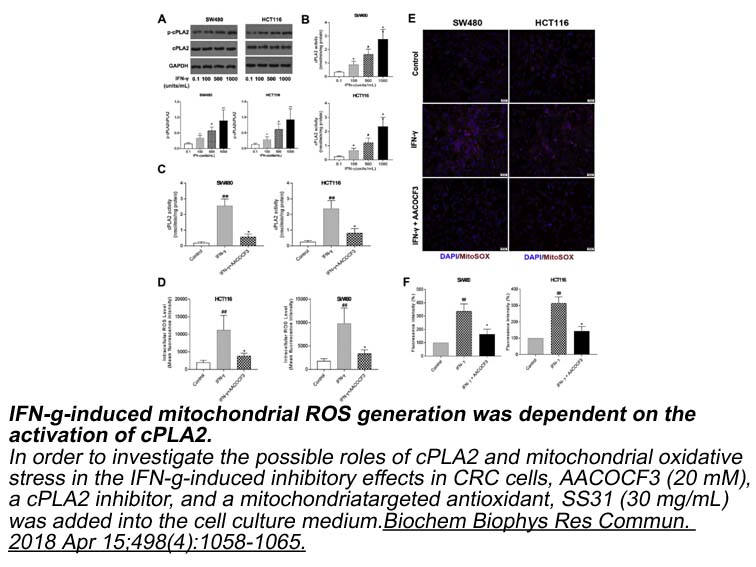
Because (AM-3189) had limited efficacy on rodent GPR40, we used two rodent models expressing human GPR40 to demonstrate efficacy of (AM-3189). First, we used human islet transplanted nude mice. In this model, endogenous pancreatic β-cells were ablated using streptozotocin, and mice were rescued to
-
Here we used a designer
2021-12-16
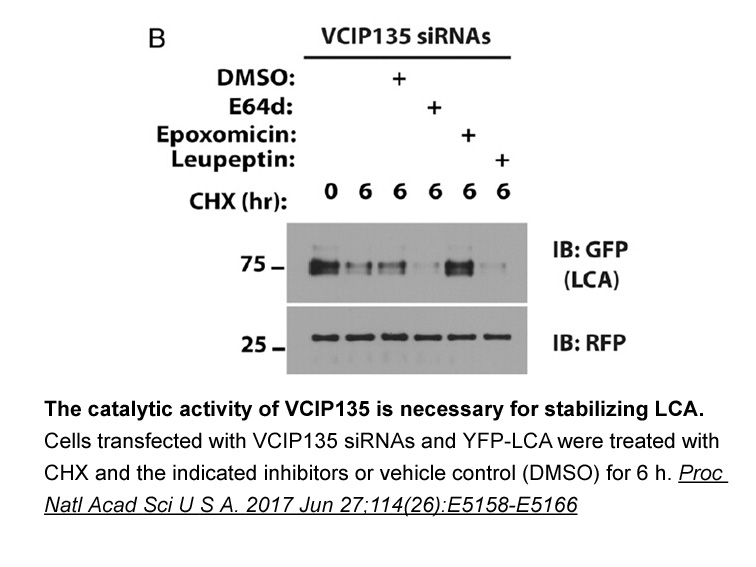
Here, we used a designer receptors activated exclusively by designer drugs (DREADD)-based chemogenetic approach in a novel Ghsr-IRES-Cre knock-in mouse line to test whether the activity of MBH GHSR neurons is required for the normal rebound food intake following fasting. We also used the Ghsr-IRES-C
-
Some clinical reports have suggested that galanin
2021-12-16

Some clinical reports have suggested that galanin has a role in the neurobiology of mood disorders [[6], [7], [8], [9], [10]]. In behavioral studies, contradictory results have been reported [11,12]. For example, systemic administration of non-selective galanin receptor agonists, such as galmic [13
-
br Conflicts of interest br
2021-12-16
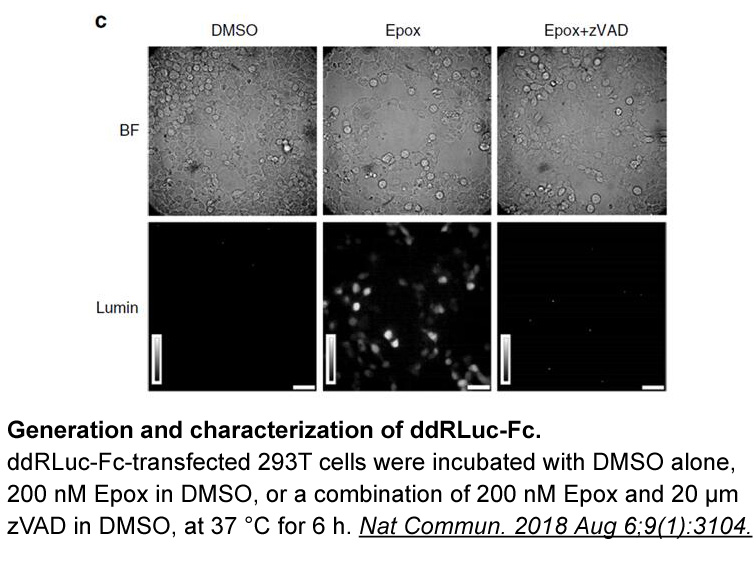
Conflicts of interest Acknowledgements This research was supported by grants from National Research Foundation, Korea (NRF-2017RIDIA3B04033313) and Yeungnam University (216-A-061-042). Introduction Kluyveromyces lactis is a yeast that produces one of the ß-galactosidases (ß-gals) most wide
-
First identified in as the
2021-12-15
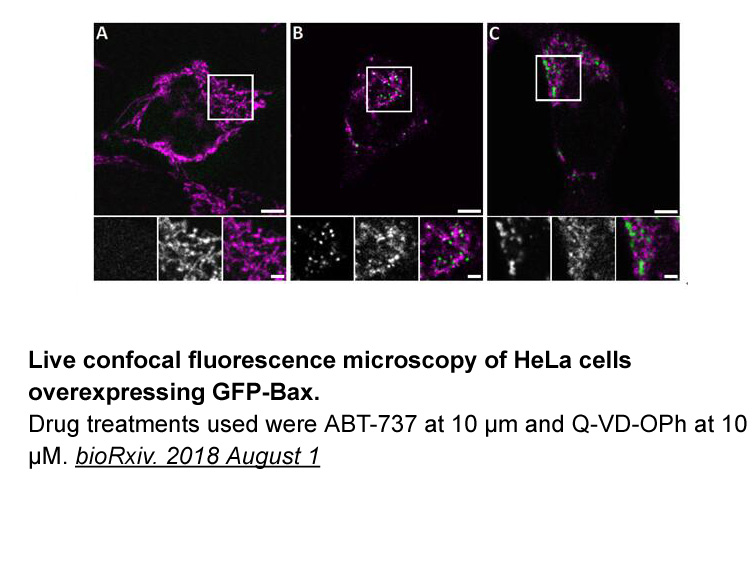
First identified in 1982 as the second mammalian glutathione peroxidase [23], we and Stockwell's group demonstrated in 2014 that the selenoperoxidase GPX4 is the key upstream regulator of ferroptosis [12], [13]. The role of GPX4 as the main regulator in the ferroptotic process is based on its unique
-
Moreover long term treatment of leukemia cells with
2021-12-15
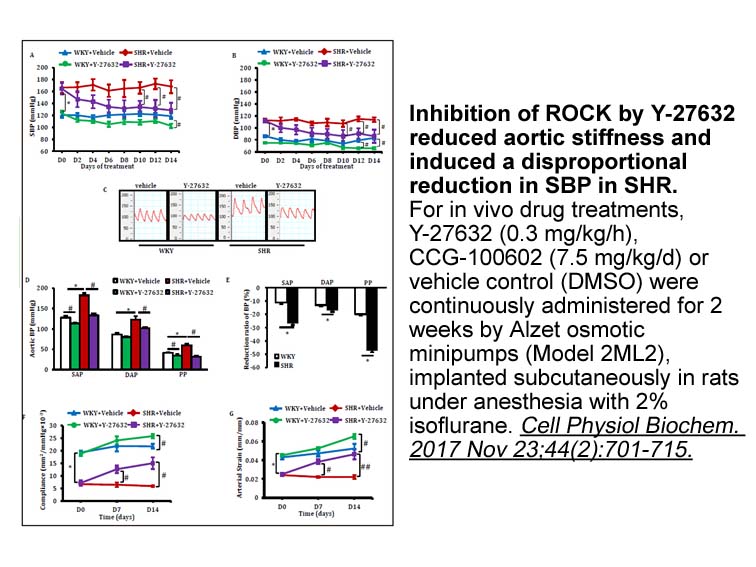
Moreover, long term treatment of leukemia cells with imatinib activates AKT, ERK and STAT5 signaling pathway and induce upregulation of EZH2 protein in patients with CML, Ph + ALL and human eosinophilic leukemia cell line (EOL-1 cells) [142]. So, resistance to tyrosine kinase inhibitor (TKI) imatini
-
The Jumonji JmjC domain containing KDM family members can
2021-12-15

The Jumonji (JmjC) domain-containing KDM family members can be clustered into seven subfamilies (KDM2 – KDM8). The KDM2 cluster catalyzes H3K36me2/me1 demethylation; in addition, KDM2B/JHDM1B/FBXL10 has been suggested to catalyze demethylation of H3K4me3 [3]. Cell culture studies support that KDM2 p
-
In summary we have provided evidence that TA a
2021-12-15
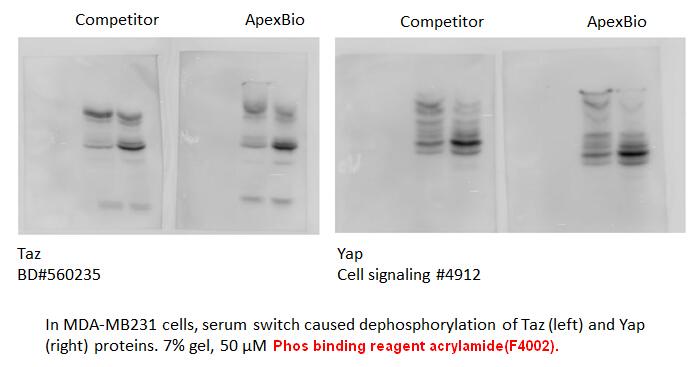
In summary, we have provided evidence that TA, a novel HATi, inhibits the acetylation of histone and non-histone proteins and activation of the mRNA expression of lipogenesis-related genes both in vitro and in vivo (Figure 8), indicating that inhibition of HAT activity by TA is necessary for the pre
-
We acknowledge some important limitations to the study Given
2021-12-15

We acknowledge some important limitations to the study. Given that SEER is a national database of abstracted clinical information, there is selection bias as to which patients underwent RS testing. As clinicians are selecting which patients to test, the RS distributions may not reflect the true dist
-
Ultimately the change of maturation ratio of
2021-12-15
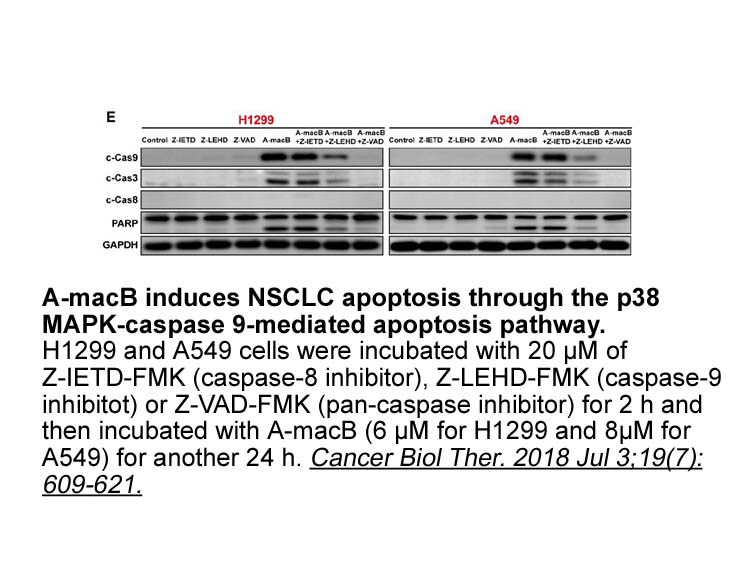
Ultimately, the change of maturation ratio of the Leydig cell caused reducing of INSL3 expression undoubtedly. INSL3 (insulin-like 3) is a hormone produced mainly in gonadal tissues. It was discovered to participate in development of urogenital tract. The mutations of this gene is one cause of crypt
-
3-Deazaadenosine receptor Anti apoptotic Bcl proteins have b
2021-12-15
Anti-apoptotic Bcl-2 proteins have become attractive targets for anti-cancer agents development, because they are associated with progression of a wide variety of human cancers., , The small-molecular Bcl-2 inhibitor venetoclax (ABT-199) () has been approved recently for the treatment of patients w
-
mianserin The pharmacokinetics of was obtained in
2021-12-15
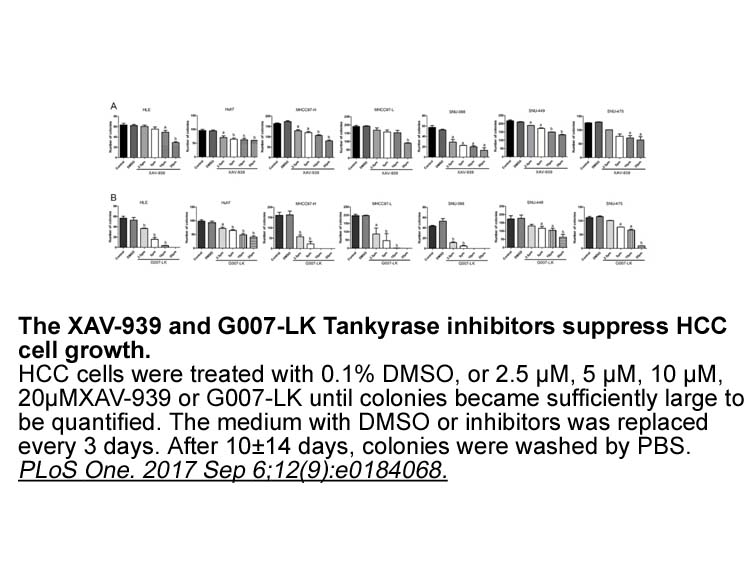
The pharmacokinetics of was obtained in mouse, rat and dog to determine if it had a suitable profile to investigate the effects of the GPR120 mechanism (). had an adequate half-life, low clearance in all 3 species, and high blood levels and bioavailability. The low volume of distribution (V) indi
-
br Clinical development of anti
2021-12-15
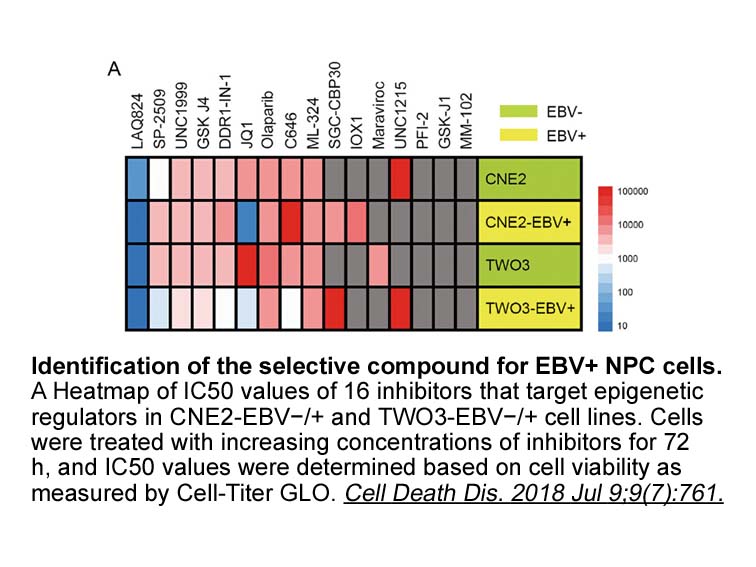
Clinical development of anti-NASH drug therapies The current understanding of NASH pathogenesis has led to broad efforts to target several features of the disease, alone or in combination, even in the absence of liver-guided therapies. Therefore, drug development in NASH is a rapidly changing fie
16151 records 537/1077 page Previous Next First page 上5页 536537538539540 下5页 Last page