Archives
- 2026-08
- 2026-07
- 2026-06
- 2026-05
- 2026-04
- 2026-03
- 2026-02
- 2026-01
- 2025-12
- 2025-11
- 2025-10
- 2025-09
- 2025-03
- 2025-02
- 2025-01
- 2024-12
- 2024-11
- 2024-10
- 2024-09
- 2024-08
- 2024-07
- 2024-06
- 2024-05
- 2024-04
- 2024-03
- 2024-02
- 2024-01
- 2023-12
- 2023-11
- 2023-10
- 2023-09
- 2023-08
- 2023-07
- 2023-06
- 2023-05
- 2023-04
- 2023-03
- 2023-02
- 2023-01
- 2022-12
- 2022-11
- 2022-10
- 2022-09
- 2022-08
- 2022-07
- 2022-06
- 2022-05
- 2022-04
- 2022-03
- 2022-02
- 2022-01
- 2021-12
- 2021-11
- 2021-10
- 2021-09
- 2021-08
- 2021-07
- 2021-06
- 2021-05
- 2021-04
- 2021-03
- 2021-02
- 2021-01
- 2020-12
- 2020-11
- 2020-10
- 2020-09
- 2020-08
- 2020-07
- 2020-06
- 2020-05
- 2020-04
- 2020-03
- 2020-02
- 2020-01
- 2019-12
- 2019-11
- 2019-10
- 2019-09
- 2019-08
- 2019-07
- 2019-06
- 2019-05
- 2019-04
- 2018-11
- 2018-10
- 2018-07
-
M344 receptor Till date several predictive models have been
2021-04-19
Till date, several predictive models have been developed by different research groups to speed up the process of library selection and drug optimization (Walters et al., 1999, Caldwell, 2000, Plewczynski et al., 2006, Wang and Ramnarayan, 1999, Pogorelcnik et al., 2015, Greenbaum et al., 2002, Sadow
-
2797 Increasing evidence suggests that normal vaginal delive
2021-04-19
Increasing evidence suggests that normal vaginal delivery is a natural inflammatory process which results in increased levels of cytokines like Interleukin-6 (IL-6), Interleukin-8 (IL-8) in maternal and cord blood plasma [10]. Increased levels IL-6 and IL-8 have been reported in the amniotic fluid o
-
Many investigators participated in the studies on the
2021-04-17

Many investigators participated in the studies on the regulation of the ibotenic acid sale and experiments indicated that the process was conserved across many eukaryotic species including humans [127]. Because cancer cells exhibit dysregulated cell division along with the presence of abnormal chro
-
Survival analysis has been widely used in medical science ec
2021-04-17
Survival analysis has been widely used in medical science, economics, finance, and social science, among others. In many studies, survival data have primary outcomes or responses that are subject to censoring. The Cox model [7], [8] is the most commonly used regression model for survival data, and t
-
The data regarding the association between COMT Val Met and
2021-04-17
The data regarding the association between COMT Val158/108Met and cognitive function are divergent [10,11,12,22,24,25,26,27,28]. Better performance on the ROCF immediate and delayed recall test among veterans with PTSD who were Met carriers, compared to Val/Val homozygotes, agrees with findings show
-
Grapiprant is a selective antagonist
2021-04-17
Grapiprant () is a selective antagonist for prostaglandin E (PGE) receptor subtype 4 (EP4) identified as a clinical candidate for the treatment of inflammatory pain associated with osteoarthritis (OA). It is currently under development for use in humans and dogs. The projected dosing regimen of grap
-
br Chondroitin sulfate proteoglycans CSPGs are major
2021-04-17
Chondroitin sulfate proteoglycans (CSPGs) are major components of the extracellular matrix in cartilage. Each CSPG comprises a single core protein and attached chondroitin sulfate (CS), belonging to the glycosaminoglycan family of sugar chains. CSPGs and CS are involved in numerous biological and
-
It is known that cigarette smoke increases the oxidative
2021-04-17
It is known that cigarette smoke increases the oxidative burden in the lungs of mice with emphysema, which leads to oxidative stress [[34], [35], [36]]. However, in addition to cigarette smoke, studies have shown that endogenous oxidative stress is associated with proteolytic maleate in several mous
-
br Acknowledgements The present study
2021-04-17
Acknowledgements The present study was supported by the Medical Science and Technology Program of Zhejiang Province2014KYA228 (Zhijun Zhou), 2016KYA195 (Jie Li) and 2017KY714 (Qingqing Xia); Zhejiang Provincial Natural Science Foundation of ChinaQ17H120001 (Jie Li); and Scientific Research Projec
-
Lymphocyte mobility and homing is modulated by the
2021-04-17
Lymphocyte mobility and homing is modulated by the chemoattractant receptor subfamily of G protein-coupled receptors (GPCRs) (Campbell et al., 2003, Rot and von Andrian, 2004). B cell migration and position are controlled to a large extent by the lymphoid chemokines CXCL13, CXCL12, CCL19, and CCL21
-
We further assessed EBI expression in RRMS patients before
2021-04-17
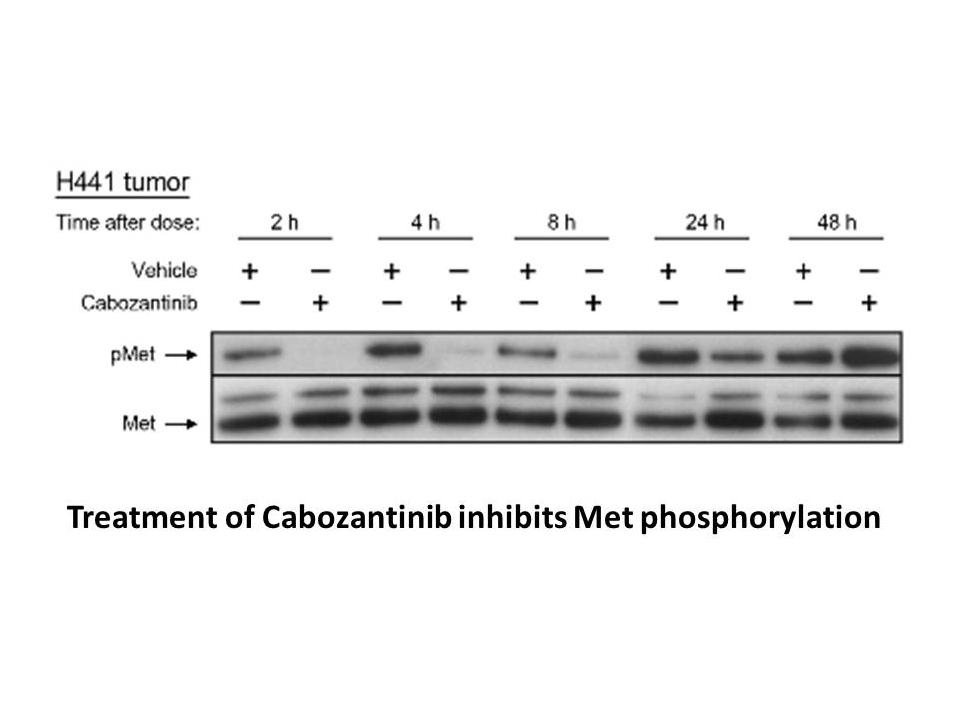
We further assessed EBI2 expression in RRMS patients before and during NTZ treatment. A significant increase of EBI2 expression was observed in memory CD4+ T cell subpopulations, but not in CD8+ T cell or in CD19+ B cell subsets of patients undergoing NTZ treatment, with a parallel gain in the migra
-
It has only recently been
2021-04-17
It has only recently been appreciated that antigen-activated sesamin australia undertake two additional transient migrations during the early stages of T-dependent antibody responses. In the first of these, antigen-activated B cells migrate rapidly (within 2–3h) to the outer regions of the follicle
-
The relatively less well studied encodes the E
2021-04-17
The relatively less well-studied encodes the E2 type SUMO-conjugating enzyme. In plants, the SCE family members play roles in abiotic stress responses. An E2 enzyme, SaSce9, from plays roles in salinity and drought stress responses (). Furthermore, SCE can respond to heat stress in rice (). However,
-
It was thus found that E plays
2021-04-17

It was thus found that E1 plays an important role in G. intestinalis biology. Inhibiting E1 expression by RNA antisense in trophozoites was lethal while E1 overexpression induced a five-fold increase in cyst formation during encystation. The changes in E1 location during this process and its localiz
-
Our study showed that parental morphine exposure in the
2021-04-17

Our study showed that parental morphine exposure in the adulthood is associated with an increased tendency toward morphine consumption in F1 but not F2 male offspring. Thus, it seems that trans-generational effects of parental morphine consumption disappear in the second generation. In support of ou
16151 records 673/1077 page Previous Next First page 上5页 671672673674675 下5页 Last page