Archives
- 2026-09
- 2026-08
- 2026-07
- 2026-06
- 2026-05
- 2026-04
- 2026-03
- 2026-02
- 2026-01
- 2025-12
- 2025-11
- 2025-10
- 2025-09
- 2025-03
- 2025-02
- 2025-01
- 2024-12
- 2024-11
- 2024-10
- 2024-09
- 2024-08
- 2024-07
- 2024-06
- 2024-05
- 2024-04
- 2024-03
- 2024-02
- 2024-01
- 2023-12
- 2023-11
- 2023-10
- 2023-09
- 2023-08
- 2023-07
- 2023-06
- 2023-05
- 2023-04
- 2023-03
- 2023-02
- 2023-01
- 2022-12
- 2022-11
- 2022-10
- 2022-09
- 2022-08
- 2022-07
- 2022-06
- 2022-05
- 2022-04
- 2022-03
- 2022-02
- 2022-01
-
Modulating the ability of tumor cells to detoxify ROS
2024-12-03
Modulating the ability of tumor Gossypol sale to detoxify ROS is a key mechanism by which cysteine metabolism affects tumor cell survival. One study observed hypermethylation of cysteine dioxygenase (CDO1) in 60% of tested breast cancer samples, leading to increased ROS detoxification and tumor cel
-
A large number of aldose reductase inhibitors have been
2024-12-03
A large number of aldose reductase inhibitors have been prepared synthetically, and a limited number of them are therapeutically used. However, none of them is satisfactory. Here, Cannabis extracts with high content of non-psychotropic phytocannabinoids CBD/CBDA or CBG/CBGA showed statistically sign
-
Despite extensive studies on the expression of T pallidum in
2024-12-03
Despite extensive studies on the expression of T. pallidum-induced pro-inflammatory cytokines, very little is known about T. pallidum-mediated intracellular signaling pathway activation, that leads to cytokine expression in macrophages. A network of signaling molecules, transcription factors, epigen
-
In eukaryotes class III ACs including GCs are
2024-12-02
In eukaryotes, class III ACs (including GCs) are almost universally present, with the noteworthy exception of higher plants. Our dataset comprises 9690 sequences of class III nucleotide cyclases from 710 eukaryotic species. Approximately 80% thereof belong to subclass IIIa and 10% to subclasses IIIb
-
br Methodology In this paper
2024-12-02

Methodology In this paper, mechanical properties of G-actin are examined. To do so, three different external tensile loads are exerted to the protein. As illustrated in Fig. 1, Arp2/3 complex binds to the one sides of mother cftr and leads to the growth of a new daughter filament at a distinctiv
-
Using constant potential amperometry and electrochemical
2024-12-02
Using constant potential amperometry and electrochemical enzyme-based biosensors selective for choline—and, therefore, an accurate readout of WAY 208466 dihydrochloride release (Baker et al., 2015; Bruno et al., 2006a; Parikh et al., 2004, 2007)—tonic and phasic release of acetylcholine were measur
-
Similar to V the temporal neocortex of
2024-12-02

Similar to V1, the temporal neocortex of mammals, including the primary auditory cortex (A1), is densely innervated by 5-HT fibers originating mainly in the dorsal raphe nucleus (Campbell et al., 1987, Harding and Paxinos, 2004, Törk, 1990), and the major mct2 pathway of 5-HTRs are expressed throug
-
br ACL Inhibition Lowering Blood LDL C
2024-12-02
ACL Inhibition: Lowering Blood LDL-C to Reduce ASCVD Risk Given its strategic position in the lipid biosynthesis pathway, ACL has been considered an attractive target for lipid-lowering even before statins and their effects on cholesterol homeostasis were elucidated (Box 2). Cells carefully maint
-
The mitogen activated protein kinase MAPK plays an important
2024-12-02
The mitogen-activated protein kinase (MAPK) plays an important role in a variety of cell processes by controlling transcriptional or translational regulation [14]. There are three major MAPK family members that have been well characterized: extracellular signal-regulated kinase (ERK), c-Jun N-termin
-
Despite these conflicting data about
2024-12-02

Despite these conflicting data about COX-2/ER correlations, a large body of evidence supports that elevated COX-2 expression in breast cancer is a constant feature of high stage disease and a predictor of worse outcome. Upregulation of COX-2 protein has been identified in approximately 40% of cases
-
Additionally we used the predicted Cyp a
2024-12-02
Additionally, we used the predicted Cyp19a1b amino Kaempferol sequence from a number of bony fish species to infer their genetic relatedness and found that R. quelen occupies an ancient position within the Siluriformes group. A phylogenetic tree was constructed and it included both full-length and
-
It is reported that calpain
2024-12-02
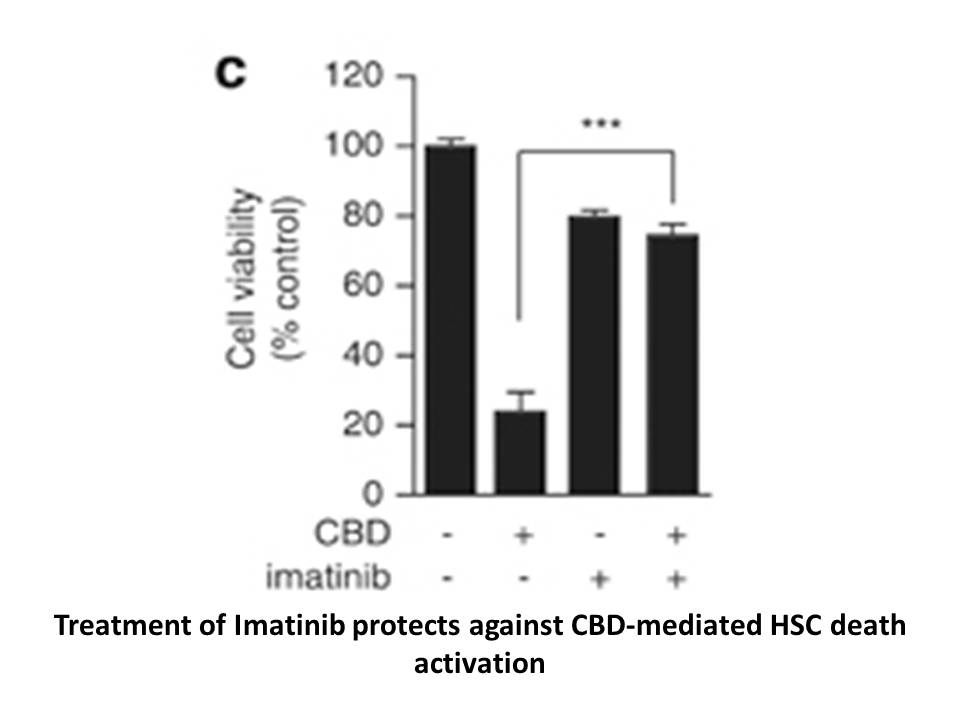
It is reported that calpain-2 plays a critical role in BDNF-induced signaling and memory formation, and knockdown of calpain-2, but not calpain-1, completely suppresses BDNF-induced pathway activation and protein translation (Briz et al., 2013). BDNF prevents neuronal apoptosis or death (Ferrer et a
-
Since artemisinin shows low solubility and poor oral bioavai
2024-12-02
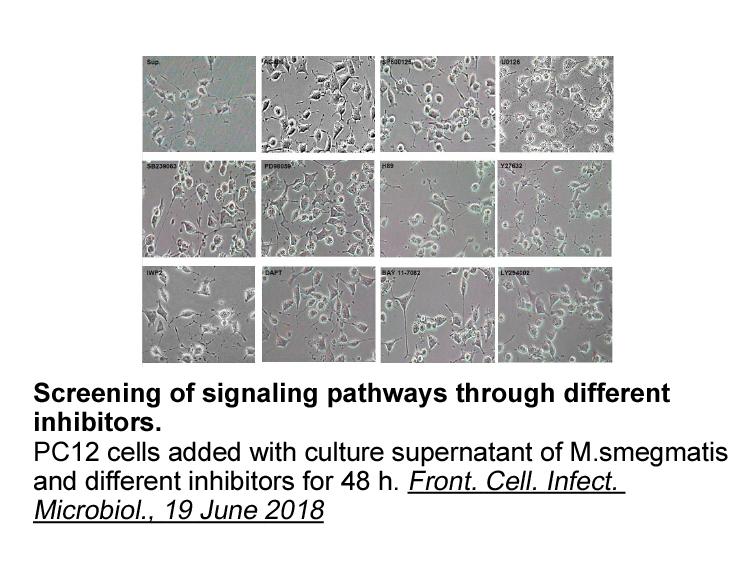
Since artemisinin shows low solubility and poor oral bioavailability [8], [9], derivatizations of artemisinin were carried out and yielded different semisynthetic antimalarial drugs such as artemether and sodium artesunate. Artemether (decahydro-10-methoxy-3,6,9-trimethyl-3,12-epoxy-12H-pyrano [4.3-
-
The apocrine sweat glands of the
2024-12-02
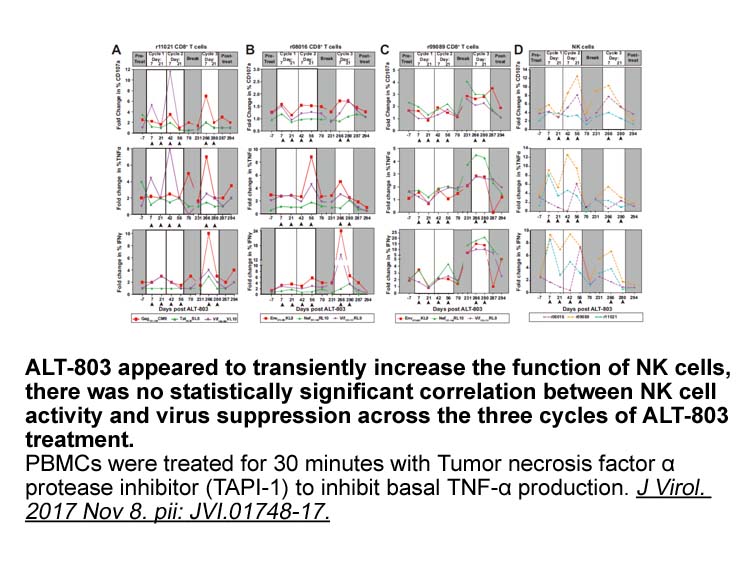
The apocrine sweat glands of the human axilla produce odor substances with pheromone functions whose nature corresponds to volatile steroids (Cowley and Brooksbank, 1991, Grosser et al., 2000, Sobel et al., 1999, Weller, 1998). These functions only begin with puberty, indicating that sex hormones st
-
The chronic induction of skeletal muscle AMPK activity
2024-11-29
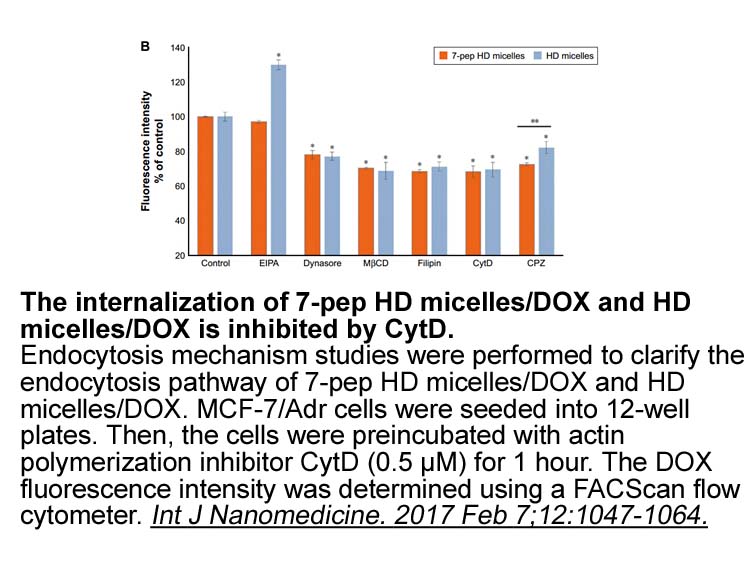
The chronic induction of skeletal muscle AMPK activity is an attractive therapeutic approach for DMD, as it addresses multiple cellular pathways needed for powerful phenotypic plasticity, including activation of the slow oxidative myofiber program, corrective autophagic signaling, as well as regulat
7965 records 76/531 page Previous Next First page 上5页 7677787980 下5页 Last page