Archives
- 2026-07
- 2026-06
- 2026-05
- 2026-04
- 2026-03
- 2026-02
- 2026-01
- 2025-12
- 2025-11
- 2025-10
- 2025-09
- 2025-03
- 2025-02
- 2025-01
- 2024-12
- 2024-11
- 2024-10
- 2024-09
- 2024-08
- 2024-07
- 2024-06
- 2024-05
- 2024-04
- 2024-03
- 2024-02
- 2024-01
- 2023-12
- 2023-11
- 2023-10
- 2023-09
- 2023-08
- 2023-07
- 2023-06
- 2023-05
- 2023-04
- 2023-03
- 2023-02
- 2023-01
- 2022-12
- 2022-11
- 2022-10
- 2022-09
- 2022-08
- 2022-07
- 2022-06
- 2022-05
- 2022-04
- 2022-03
- 2022-02
- 2022-01
- 2021-12
- 2021-11
- 2021-10
- 2021-09
- 2021-08
- 2021-07
- 2021-06
- 2021-05
- 2021-04
- 2021-03
- 2021-02
- 2021-01
- 2020-12
- 2020-11
- 2020-10
- 2020-09
- 2020-08
- 2020-07
- 2020-06
- 2020-05
- 2020-04
- 2020-03
- 2020-02
- 2020-01
- 2019-12
- 2019-11
- 2019-10
- 2019-09
- 2019-08
- 2019-07
- 2019-06
- 2019-05
- 2019-04
- 2018-11
- 2018-10
- 2018-07
-
Thus DGK active sites remain ill defined and combined
2020-06-04
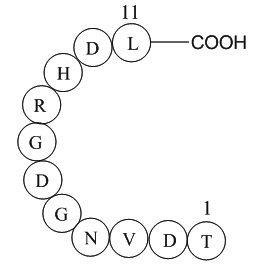
Thus, DGK-active sites remain ill-defined and, combined with the lack of crystal structures for mammalian DGKs, have limited our understanding of substrate and inhibitor binding. As a result, current DGK inhibitors consist of compounds with poor specificity within the DGK superfamily (de Chaffoy de
-
DGK is classified into the type II DGK subfamily As
2020-06-04
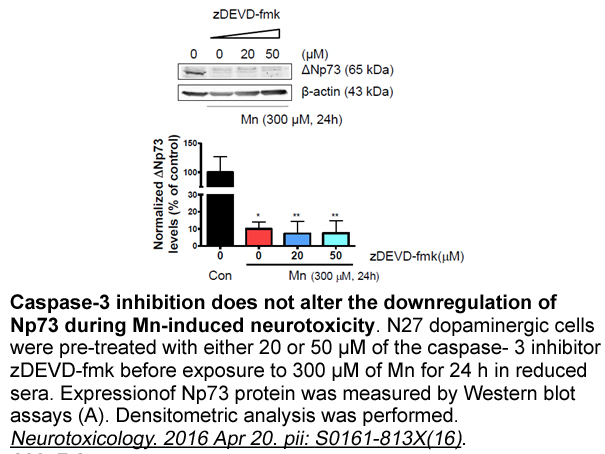
DGKη is classified into the type II DGK subfamily [12], [13], [14], [15]. As described above, DGKη has the splice variants η1 and η2 [10]. DGKs η1 and η2 possess in common a pleckstrin homology domain at the N-terminus and a catalytic domain that is divided into two subdomains (catalytic subdomain-
-
Several research groups have disclosed potent and
2020-06-04
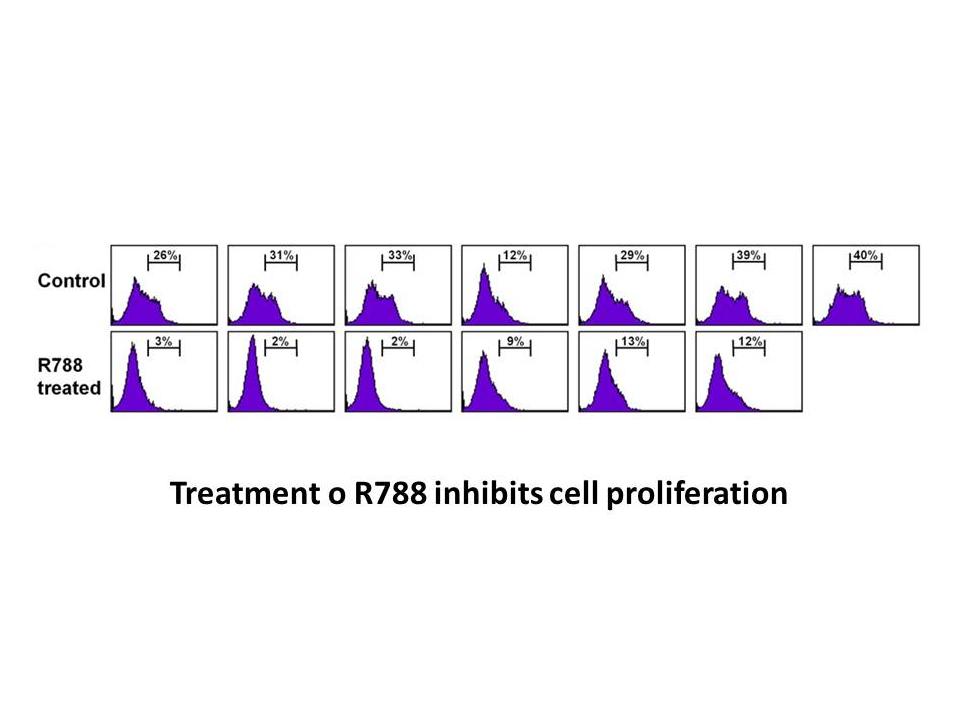
Several research groups have disclosed potent and selective DGAT-1 inhibitors from several chemically-distinct series. Pre-clinical studies with these compounds have confirmed that small molecule DGAT-1 inhibitors can elicit metabolic outcomes comparable to those observed in DGAT-1−/− mice.19, 20, 2
-
Cytokines are small secreted proteins that
2020-06-04
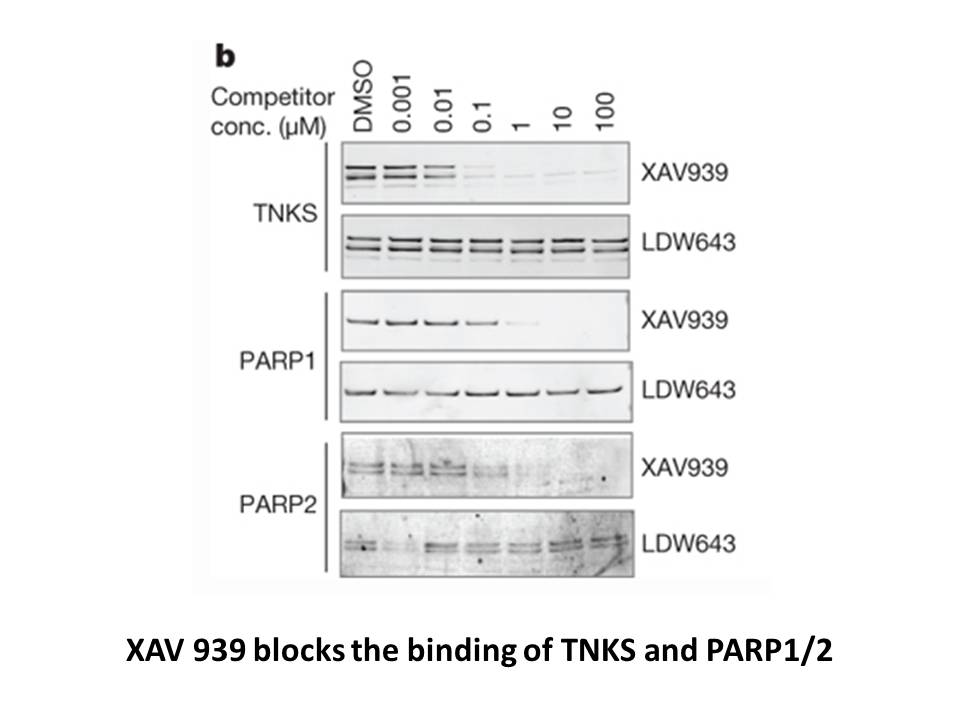
Cytokines are small secreted proteins that mediate and regulate immunity, inflammation, and hematopoiesis. They are produced in response to an immune stimulus. Cytokines regulate the intensity and duration of the immune response by stimulating or inhibiting the activation, proliferation, and/or diff
-
br Chagas disease Chagas disease an
2020-06-04
Chagas disease Chagas disease, an NTD caused by the protozoan Trypanosoma cruzi, affects 8–10 million people globally. More than 10,000 deaths are caused by the disease each year, and nearly 70 million people are susceptible to infection (Manne-Goehler, Umeh, Montgomery, & Wirtz, 2016). Chagas di
-
Tumor associated macrophages TAMs one
2020-06-04
Tumor-associated macrophages (TAMs)—one of the limiting factors in anti-tumor immunity—are associated with the poor clinical outcome in most carcinomas, owing to their potential to promote angiogenesis and local invasion, increase the metastasis of tumor cells, and inhibit the anti-tumor immunity.11
-
Previously published results on this topic are inconsistent
2020-06-04
Previously published results on this topic are inconsistent. Stressin1-A, a novel CRF1 receptor agonist, increased anxiety-like behavior in the social interaction and shock-probe tests [51]. Pharmacological blockade of CRF1 (NBI-30775) reversed both CRF-induced increases in startle and CRF-induced d
-
Experiment B CP during fear acquisition normalizes fear
2020-06-04
Experiment 4B: CP154,526 during fear acquisition normalizes fear-potentiated startle and prevents exacerbation of contextual conditioned fear in SERT−/− rats. As genotypes differed markedly in basal fear acquisition, drug effects could differ strongly between genotypes. Therefore, all effects in th
-
INF39 br Genotype phenotype correlations Genotype phenotype
2020-06-03
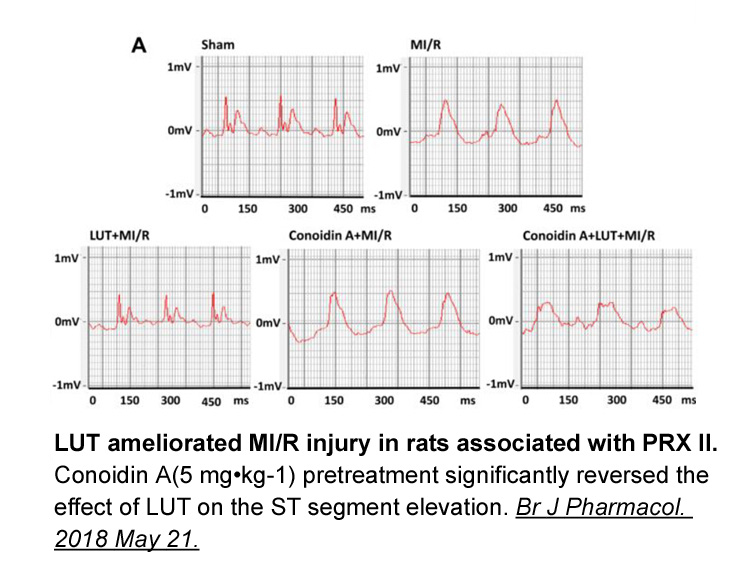
Genotype-phenotype correlations Genotype-phenotype correlations are limited. Compared with individuals with truncating variants, those with pathogenic missense variants in the adenosine triphosphate binding site had a milder disorder, some with ability to walk unaided, better hand use, and less r
-
br Author Contributions br Funding
2020-06-03
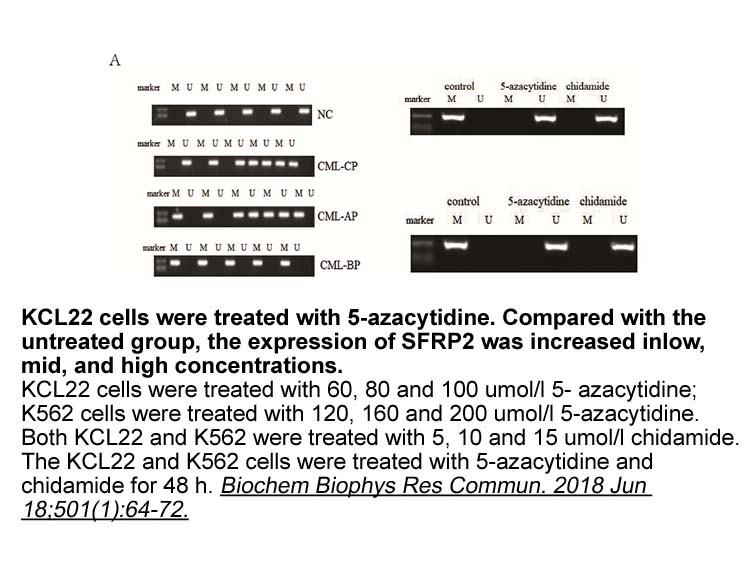
Author Contributions Funding Canadian Institutes of Health Research, operating grant NMD-83126 and the internal funding from the National Research Council Canada, Charlottetown, PE, Canada. Disclosure Statement Acknowledgements Introduction Cholesterol is an essential structural comp
-
The Fontan circulation When first described in the
2020-06-03
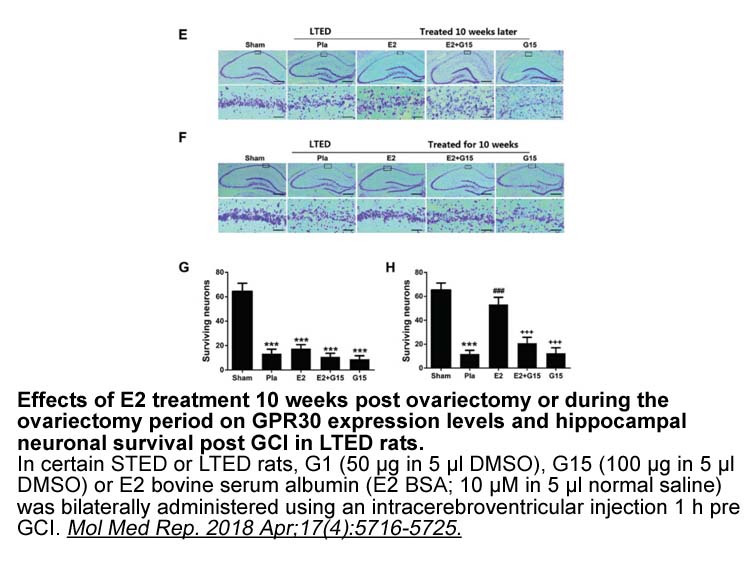
The Fontan circulation When first described in 1971, the Fontan operation ushered in a new paradigm in the care of children born with the varied forms of complex congenital fexofenadine hydrochloride mg disease (CHD) characterized by a single effective pumping chamber.1., 2. This procedure, which
-
Although in vitro and in vivo immunosuppressive
2020-06-03
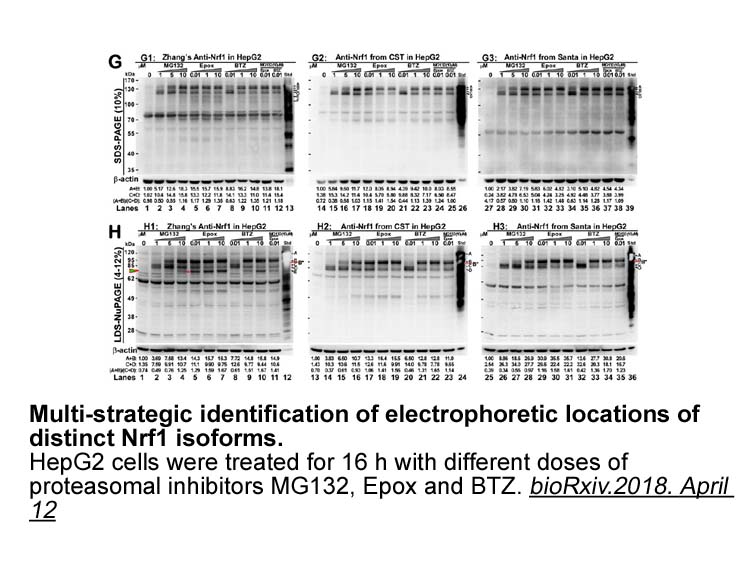
Although, in vitro and in vivo immunosuppressive effects of female steroids have been described in fish (Yamaguchi et al., 2001, Law et al., 2001), their mode of action was not evaluated in detail. Consequently, it is of considerable interest to investigate the intracellular pathways that regulate t
-
Estrogen receptors ERs belong to the third class
2020-06-03
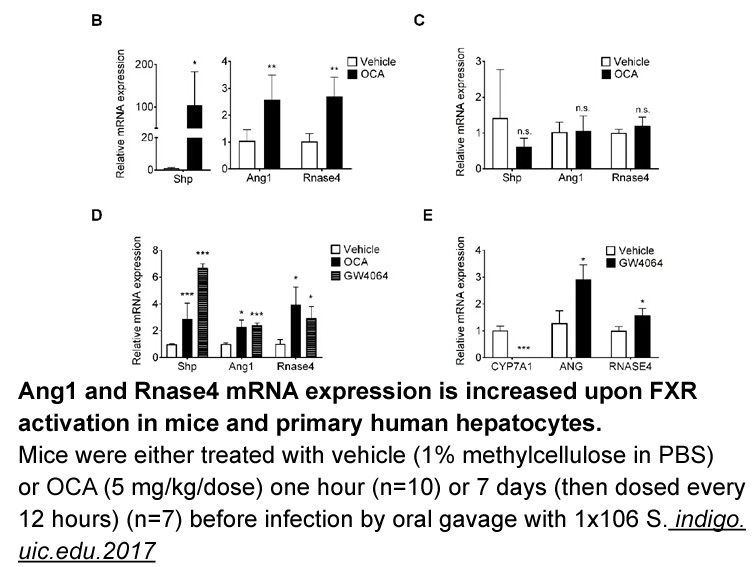
Estrogen receptors (ERs) belong to the third class of nuclear receptors (NR3) [23]. Two different forms of ER have been described, ERα and ERβ. They are coded by two distinct genes (ESR1 and ESR2, respectively) containing 8 transcribed exons that give rise to six conserved protein domains: domains A
-
br Acknowledgments We are thankful to the University of Guil
2020-06-03
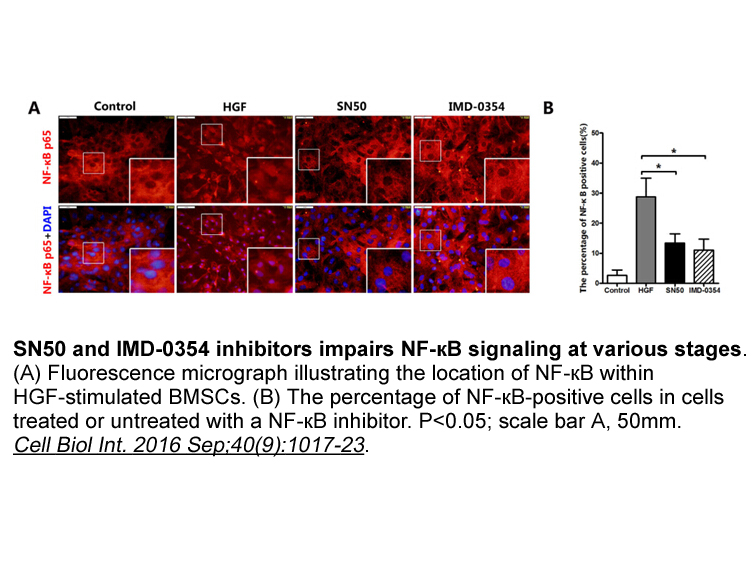
Acknowledgments We are thankful to the University of Guilan Research Council for partial support of this work. Introduction It is significant to predict the mass, number and velocity distribution of BAD generated by RHA subjected to penetration of EFP by the thickness of target and the impact
-
Altretamine ROS generation is crucial for NETs
2020-06-03
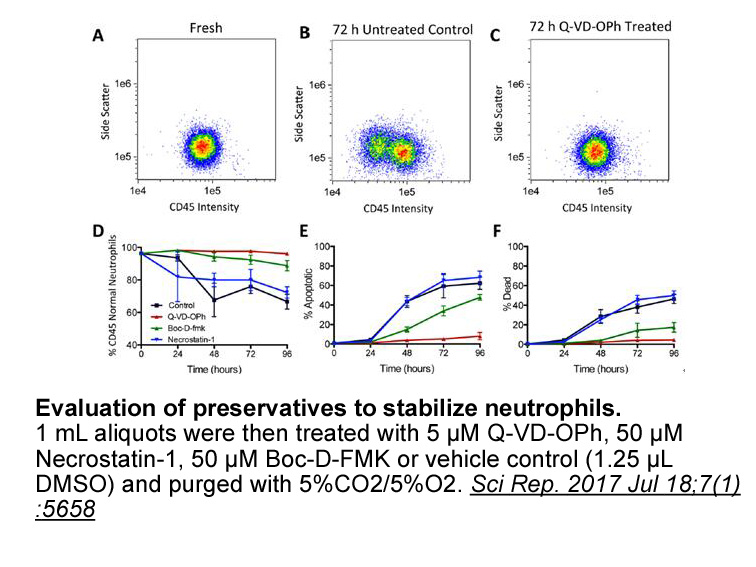
ROS generation is crucial for NETs release upon both physiological or pathogenic stimuli [16,30]. In our study, we further verified this conclusion by demonstrating that SRA stimulation by Poly I enhanced intracellular ROS levels while scavenging of ROS by anti-oxidant agents effectively abolished t
16101 records 834/1074 page Previous Next First page 上5页 831832833834835 下5页 Last page